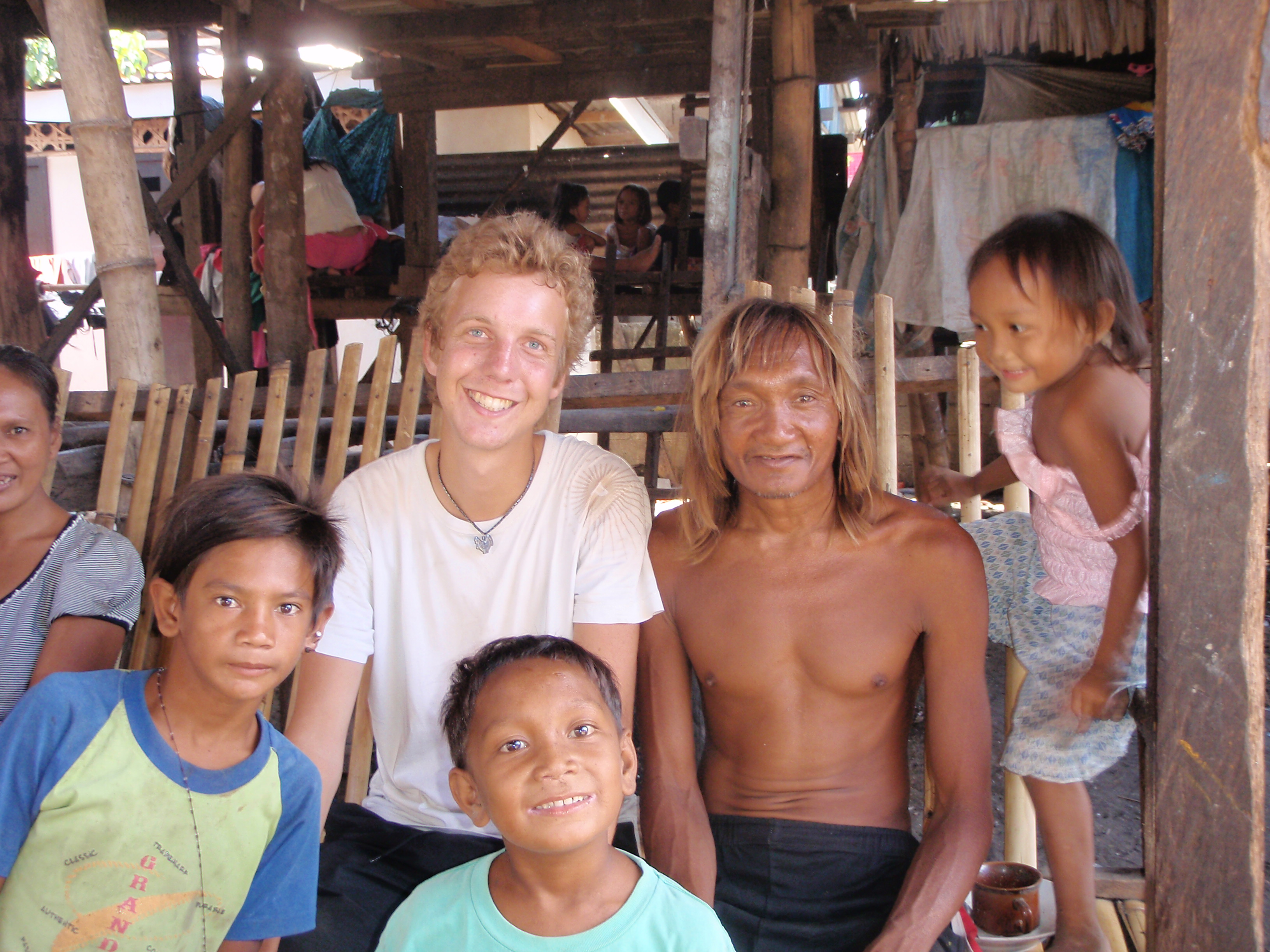
Here comes some information about the Badjao community in Matina Aplaya, were I was living between February-April this year.
• One of 300 has a work in the regular job market
• Two have been studying in high school
• Almost no one of the elders can write or read
• Ten of approximately 150 children are in school
• Most people live on less than one dollar a day.
In a general life quality index Badjao is in the vey bottom, and they would have been a priority for organizations like Oxfam and Save the Children. But why? In fact, they are among the most active and smiling people I have met. They are living in a rich village life, the children are playing without computer games and a vast majority has healthy bodies. Even if they have small resources, we can consider them as happy and proud. How can we tell them that they are poor? How come that the Western living standard has become the norm for all people?
During the history we have seen thousands of indigenous cultures being destroyed as roads, mining companies etc. have been spread over their land. Today many governments, corporations and politicians say that change is inevitable and that modern society will expand all over the world like a natural law. There seems to be nothing to do.
But Badjao is a living example of that change is not inevitable. They are still living as a distinct cultural group, their culture is more flourishing than ever, and even it they have been living next to the modern society for years, they still hold on to their lifestyle and traditions. And why not? You can’t force them to change under the flag of “inevitable change” or “development”.
Today the indigenous rights organizations are strengthen their positions. Organizations as Survival International and IWGIA promote the idea that indigenous small-scale cultures should be seen as small nations with their own land and sovereignty, and freedom to decide their own future.
So, let the Badjao children play with their boats, let the adults be illiterate, let them worship the coconut and let them arrange minor age marriages. And, most importantly, give them exclusive right to fishing water they have traditionally utilized. If you protect their land, you will protect their culture.