For a Living Ocean

Latest

The Machine-Human and the Myth of Superintelligence

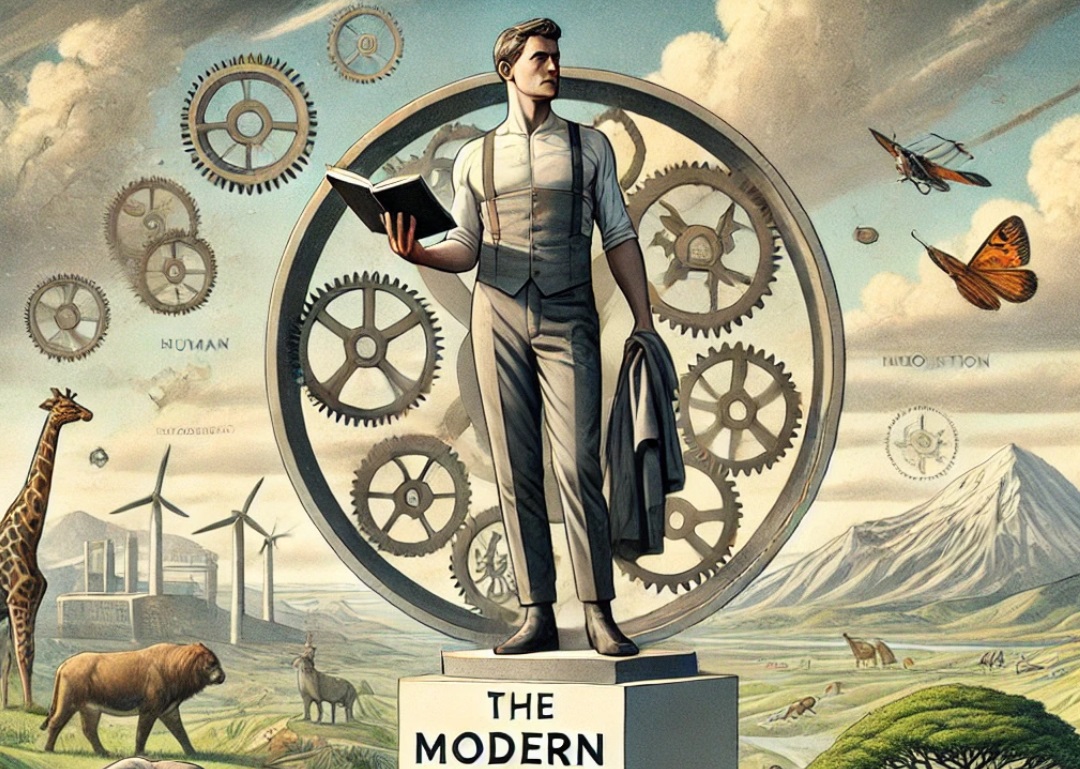
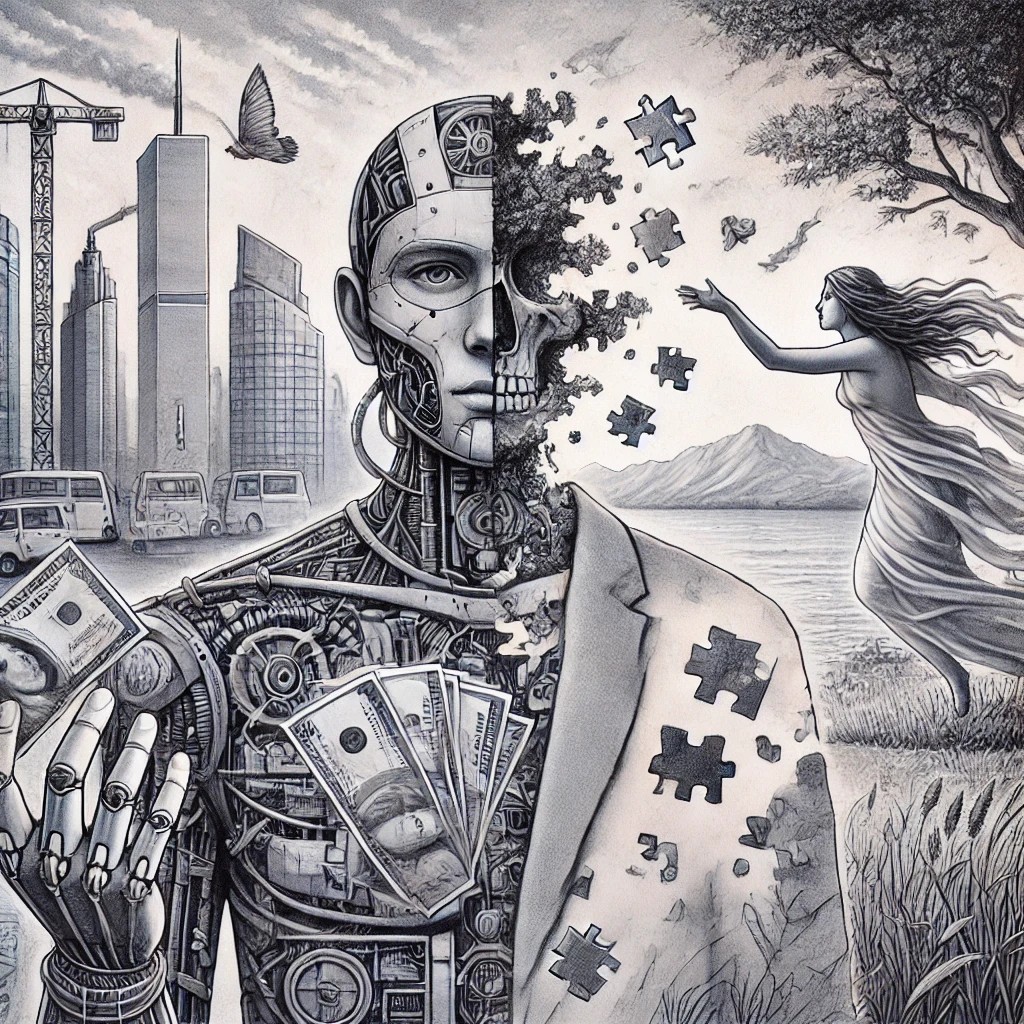
We live in an age where AI is celebrated as humanity’s next great leap – the path to artificial general intelligence (AGI), superintelligence and a society that automates everything. But behind the hype lies another story: our creativity is bodily, born of crises and lived experiences, and cannot be programmed. At the same time, we risk becoming increasingly machine-like ourselves, as technology shapes how we see the world and ourselves. The most radical innovation of the future is therefore not a supercomputer – but a human being who refuses to become a machine.

Artificial intelligence dominates today’s technological discourse. Many predict that machines will soon match or surpass our own intelligence, which would render human intelligence obsolete. Billions have been poured into this dream, and the brightest minds are given time and resources to open Pandora’s box.

Proponents of this view, such as Nick Bostrom, argue that because intelligence rests on physical substrates – like the human brain – there is no reason it could not be recreated on a much larger scale, unbound by the confines of the human skull (Bostrom, 2014).

But is this really possible – or are we just building castles in the air?

The Theory of Cyclical Development Undermines the AI Hype

According to the theory of cyclical development – which I have previously presented on this blog – human intelligence and creativity go beyond algorithms. They are part of life itself, deeply rooted in existential experiences and crises, and they are non-deterministic.

Early Homo sapiens learned survival through imitation within a rhythmic song system that maintained extremely durable lifeways over hundreds of thousands of years. Mirror-neuron networks made it possible to accurately imitate toolmaking and movement patterns across generations. During evolution the brain did not grow because we became ever more creative; it grew because we became better at reproducing and consolidating survival strategies that already worked.

The original function of language was therefore, in the form of song and rhythm, to guide people in their daily tasks – to synchronise thought and body, individual and environment – rather than to constantly invent new things. The free, infinite language, the abstract speech we now take for granted, arose much later. Only about 75,000 years ago did the vocal song system shift to a fully symbolic language, unleashing not only new ways of thinking and communicating but also new ways of moving.

When sudden environmental changes made old routines impossible – for example ice-age pulses and above all the Toba super-eruption – the song system “overheated”. Song ran idle, cognitive dissonance arose, experimentation exploded and new tools, art forms and social systems were born.

Language was an invention of innovative people in a tumultuous time – and this applies to all our ancestors in the genus Homo who went through the same cyclical process. Even Homo erectus and Homo heidelbergensis experienced crises and invented new survival strategies, then let the brain and the song cement the new solutions and lifeways, whereupon the brain grew larger again.

This represents a Copernican revolution in how we view human evolution – we flip the coin: larger brains did not evolve to make us ever more ingenious, but to effectively reproduce acquired survival strategies and close the gap between body and thought, human and habitat – through song and mirror neurons. Creativity continued to develop but as a latent reserve beneath the solid surface – ready to break through when the next crisis tore down imitation’s hegemony.

This means that genuine creativity and innovation are deeply rooted in the human body: in emotions, sensory impressions and physical interaction with the world. They arise out of cognitive dissonance – the tension between expectation and experience, between body and soul – and they are not deterministic. They emerge from chaos and are truly free and transformative.

Machines, by contrast, lack frustration, wonder and joy. They manipulate symbols but have no conscious relationship to them.

Human intelligence thus did not emerge through a gradual, deterministic natural selection where generation after generation became ever smarter in response to a changing environment. It arose latently – and when it finally burst forth it was untamed and went beyond the programmable, as part of life’s very lifeblood. This cannot be recreated in a laboratory – no more than we can create life itself.

Large Language Models and Their Limitations

Our largest language models operate strictly within a logical, stripped-down system of propositions. There is hardly any genuine creativity there – only rapid, massive recombination of already existing texts. This stands in sharp contrast to how actual scientific and intellectual breakthroughs occur.

Alfred Russel Wallace had his evolutionary insight while feverish in Indonesia – the idea of natural selection struck like a revelation, not as the result of formal deduction. Albert Einstein described “the happiest thought of my life” when, working at the patent office in Bern, he imagined an observer in free fall – a sudden flash of insight that later led to the general theory of relativity and fundamentally changed our worldview.

Such non-logical breakthroughs lie completely beyond today’s LLM architecture. Today’s AI – even the most sophisticated models – engage in algorithmic manipulation of symbols without lifeblood. They lack the existential creativity that only appears when imitation’s chains break, when body and thought collide and free language arises. AGI presupposes a “brain in a box” that can evolve without a physical, existential embodiment. All of this AI lacks.
The Machine-Human – The Real Danger

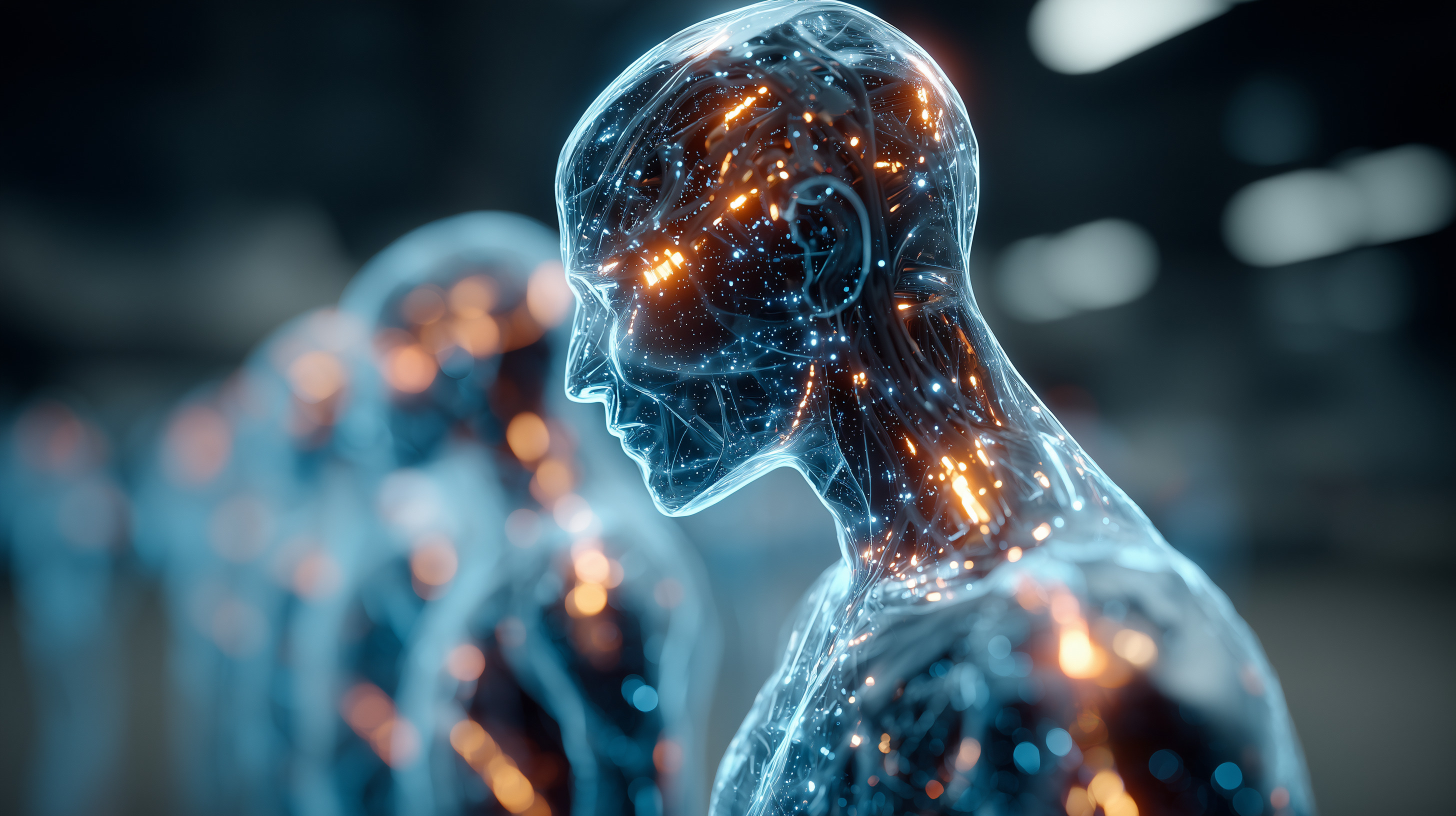
Ironically, it is not technology that is becoming more human today, but humans who risk becoming more machine-like. Philosopher Martin Heidegger spoke of technology’s ability to “unconceal” reality – to make us see the world in a new way. In the new computerised era we are reduced to data points, patterns and functions that can be optimised. When the world is revealed through the grid of technology we begin to see ourselves as resources, as machinery.

This has two crucial consequences:

  1. Loss of human dignity. If humans are seen as just another algorithm, the foundation of our inviolability dissolves. People become interchangeable, measurable and comparable in the same logic as raw materials and means of production. We are seen as programmable automatons – a view that threatens to dehumanise us and in the long run erode human rights. If we start to see people as fallible machines rather than moral subjects, we open the door to a society where the value of each person can be measured, priced and – in the worst case – switched off.
  2. Humans become technology. In our drive for efficiency and optimisation we ourselves become increasingly machine-like. We live by measurable rules, let algorithms guide our decisions and make ourselves ever more bound by laws. It is not technology that becomes human – it is we who become technology.

Heidegger would say that this is the real danger: not technology itself, but that we see the world – and ourselves – only through the grid of technology. We then forget other ways of being human, other ways of living and understanding ourselves.

Heidegger’s allegory of everyday language and poetry offers a powerful tool for understanding this danger. He did not mean that poetry arose from everyday language as its highest form, but rather the opposite – that the original language was poetic, open and full of wonder. The first modern humans were thus grand poets (Heidegger, 1971). It is this poetry, this spiritual and non-physical dimension, that is now being lost in the AI era.

AI Is Like Any Other Technology

AI is fundamentally like any other technology. It is not exceptional; it cannot create by itself but only in interaction with humans – just like writing, the wheel and other groundbreaking innovations.

But the danger is that AI risks reinforcing an already ongoing, dehumanising process – a process that capital accumulation in symbiosis with technology has long driven. Technology shifts boundaries and stretches its tentacles deep into the periphery to suck resources into the centre, just as human ecologist Alf Hornborg has shown (Hornborg, 2022). In the centre, people become intoxicated by the illusion of freedom and dream of eternal life. But in practice we feed the machines – not the humans – something the gigantic, extremely energy-hungry data centres demonstrate with brutal clarity.

Reclaim the Human

Even though we will never achieve either artificial general intelligence or superintelligence – something that will likely soon burst the AI bubble with enormous economic consequences – AI will still become an ever larger part of the infrastructure that feeds injustice and alienation. Economic power will concentrate into even fewer hands, and at the same time we risk changing ourselves: becoming ever more standardised, ever more governed by the logic of algorithms, ever more entangled with technology – and ever less poetic.

The most radical innovation of the future is therefore not a supercomputer – but a human being who refuses to become a machine.

References

Bostrom, N. (2014). Superintelligence: Paths, Dangers, Strategies. Oxford: Oxford University Press.

Heidegger, M. (1971). Poetry, Language, Thought. Trans. A. Hofstadter. New York: Harper & Row. (Includes the lecture “…dichterisch wohnet der Mensch…” delivered 1951.)

Hornborg, A. (2022). The Magic of Technology: The Machine as a Transformation of Slavery. London & New York: Routledge.

From Wakatobi to the Forefront: XR’s Photo Contest on Water

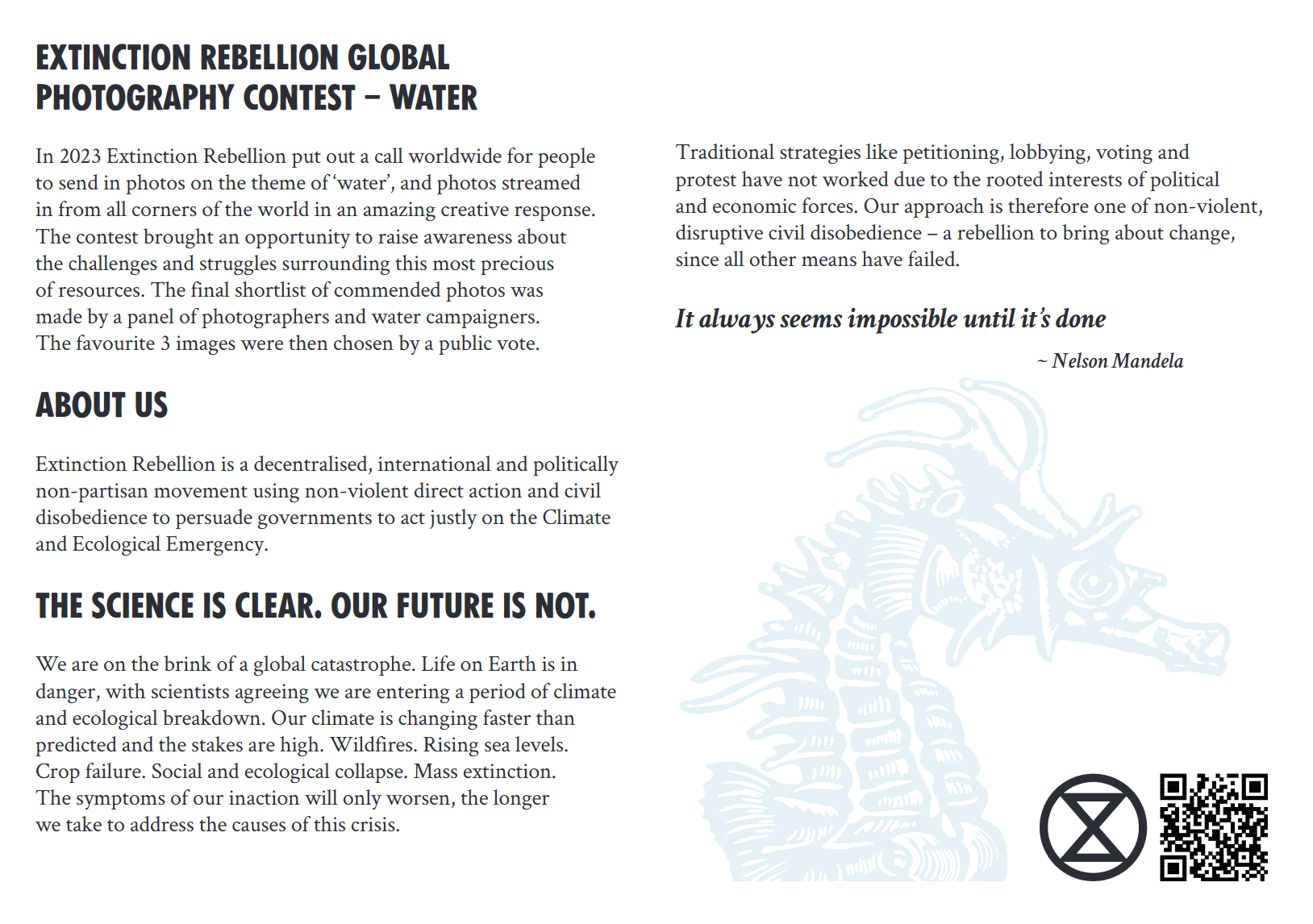
Water is one of our planet’s most precious resources, yet it faces immense challenges worldwide. Extinction Rebellion (XR) organized a global photo competition to raise awareness about these issues, inviting photographers to capture the beauty, struggles, and importance of water. The competition highlighted stories from all corners of the world, showcasing everything from drought-stricken landscapes to communities working to protect this vital resource.

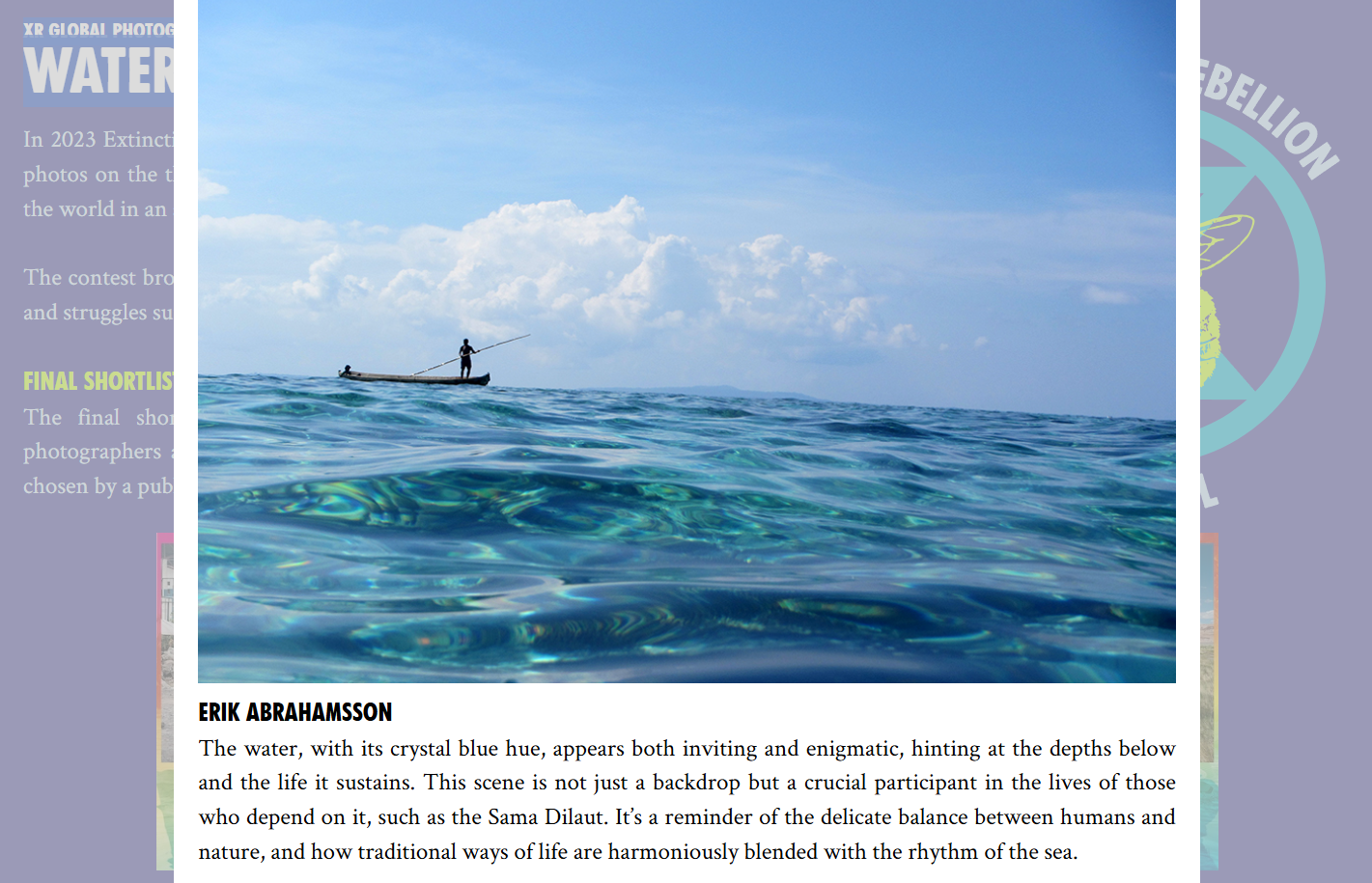
In the end of 2024, XR announced the winners of the competition. While my photo wasn’t among the three winners, it was shortlisted and became part of the final selection for the public vote. The shortlisted photos have since been featured in a traveling exhibition across Europe, visiting cities like Madrid and London, where they continue to inspire and educate audiences.

The photo I submitted was taken in the Wakatobi Islands, Indonesia, depicting a fisherman and his child in a small boat, gliding over crystal-clear blue waters during a net fishing trip inside the Wakatobi National Park. It reflects the deep connection between the Sama Dilaut people and the ocean, celebrating their potential sustainable and harmonious way of life.

You can see the winning and all shortlisted photos here: XR Global Photography Contest – Water Gallery

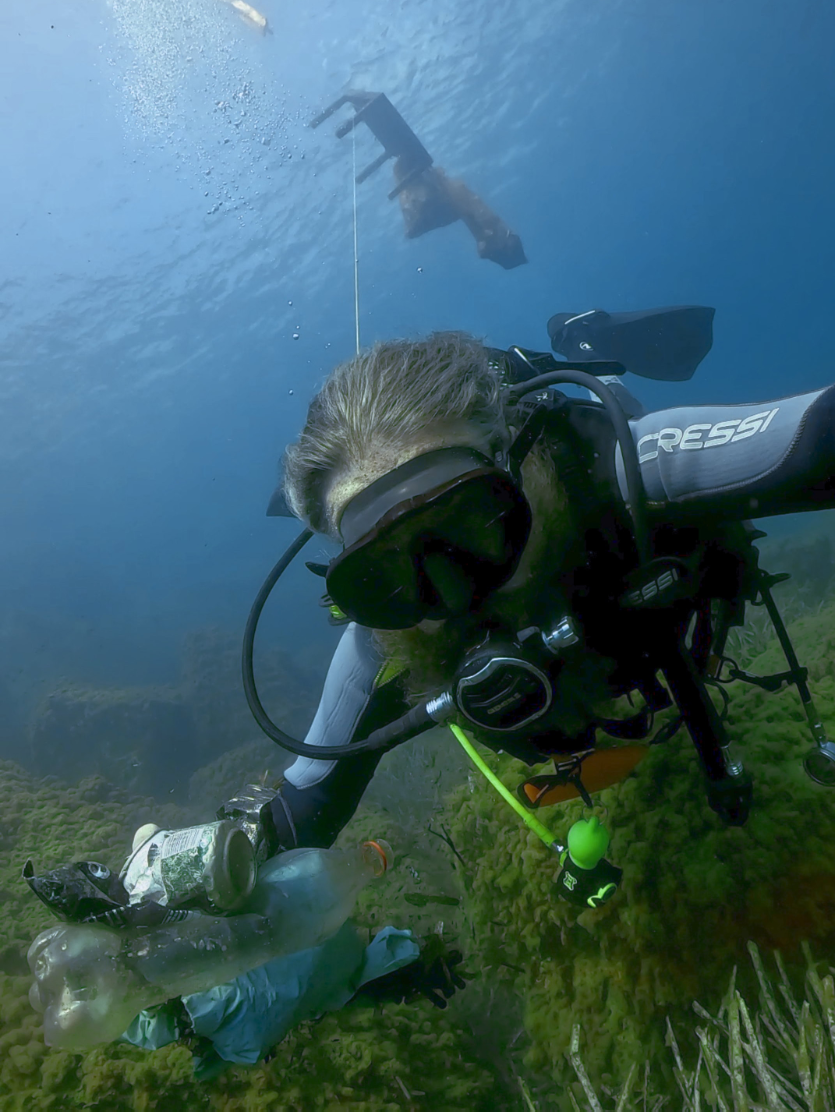
Below are some of the other photos submitted to the competition:

Meeting Aquatic Pioneers at WADC 2025

Every second year, the World Aquatic Development Conference (WADC) takes place in Lund, gathering experts, enthusiasts, and pioneers from around the globe to celebrate and discuss advancements in aquatics.

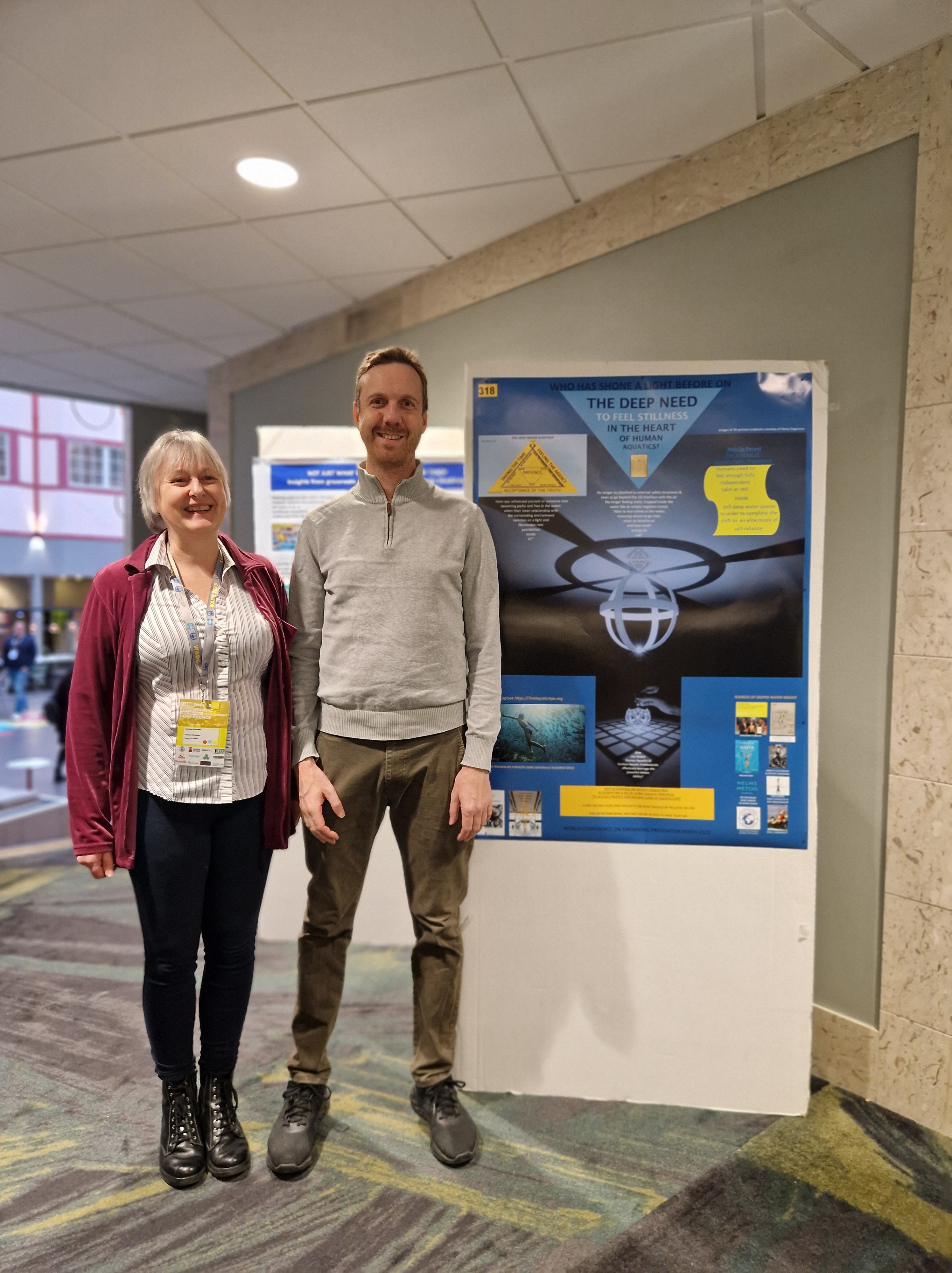
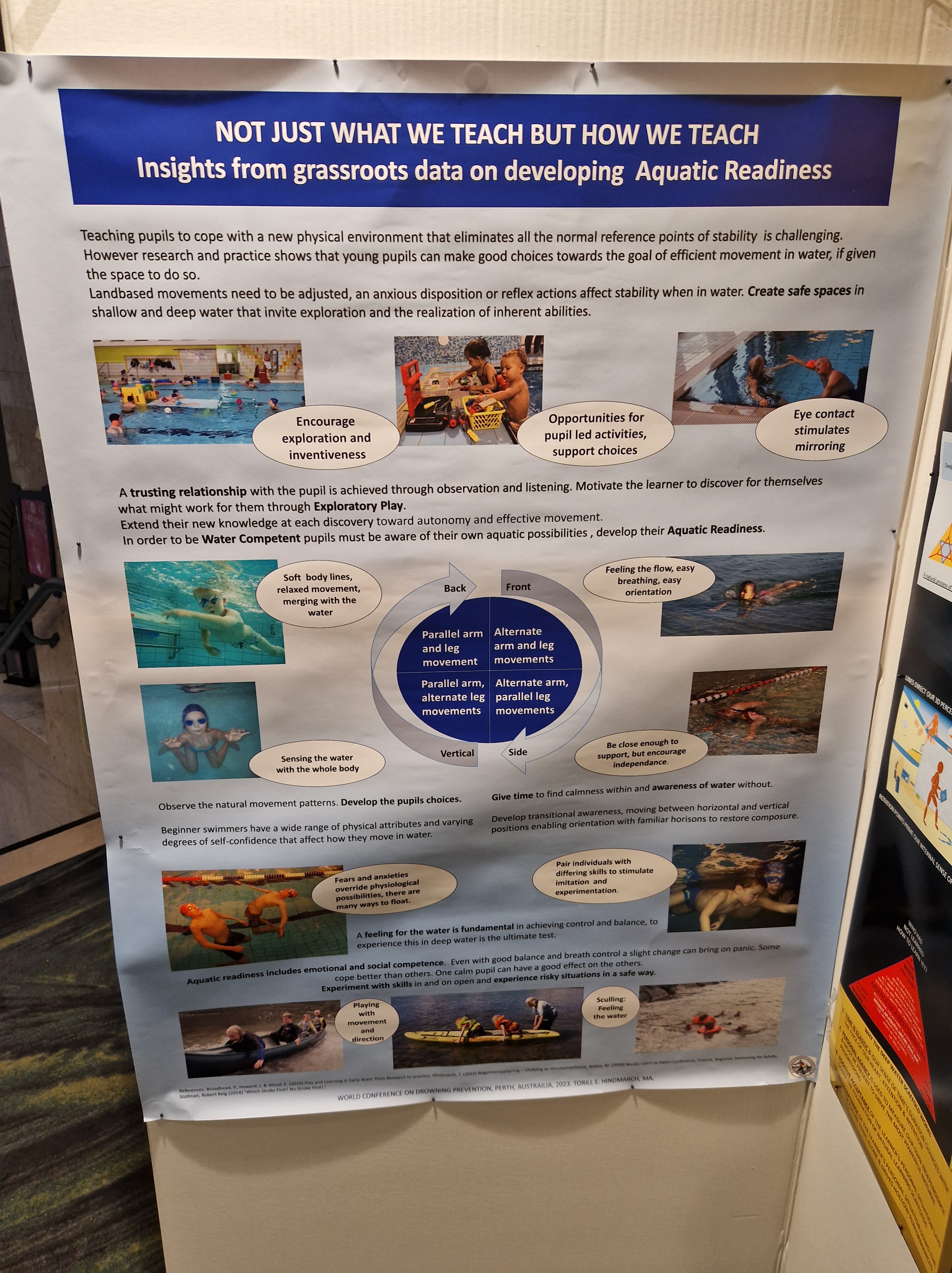
While visiting the poster section of the conference, which took place from 9 to 12 January, I had the privilege of meeting two inspiring persons: Andrea Andrews, a director of The Lifesaving Foundation in Ireland and passionate advocate for safe swimming, and Torill Hindmarch, a pioneer in baby swimming.

While visiting the poster section of the conference, which took place from 9 to 12 January, I had the privilege of meeting two inspiring individuals: Andrea Andrews, a director of The Lifesaving Foundation in Ireland and a passionate advocate for safe swimming, and Torill Hindmarch, a pioneer in baby swimming. Both Andrea and Torill had made insightful contributions to the poster section.

Torill has revolutionized baby swimming through her decades of work rooted in play-based learning and child-centered methods. Her teaching philosophy encourages even the youngest swimmers to engage with water in a safe, joyful, and developmentally appropriate way. As a long-standing advocate for early aquatic education, she has helped shape national swimming programs and inspired countless educators and parents to approach baby swimming with a gentle and empowering focus.

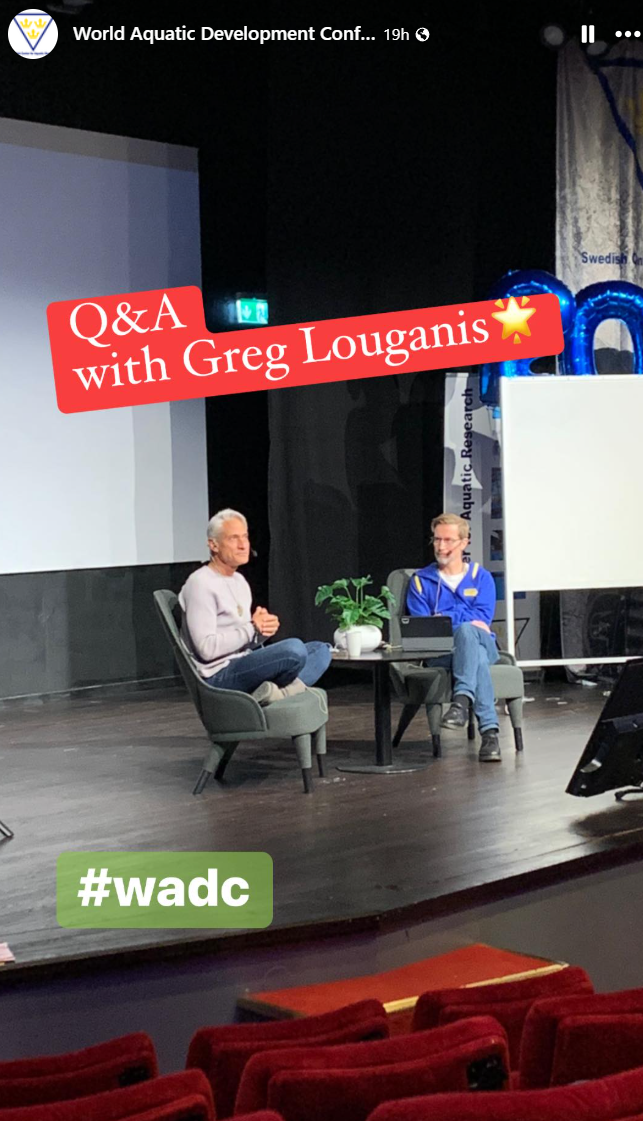
The conference also featured world-class speakers, including Greg Louganis, the legendary diver often regarded as one of the greatest in history. Though I didn’t attend his talk, he is known for sharing fascinating insights into techniques such as “hearing the board,” a skill that demonstrates the precision and mindfulness required to perfect a dive.

It’s a space where innovation meets tradition, where pioneers in baby swimming meet elite expertise, and where the universal language of water continues to inspire and unite people worldwide.

The Cyclical Development: Ice Ages and “Great Leaps” Have Shaped Man

I have previously proposed a Copernican revolution in our understanding of human evolution. In this new article, I outline a broader developmental scheme for humanity, suggesting that we have undergone several great leaps, not just the one occurring 40,000 years ago. Historically, human development has not been about increasing creativity but about enhancing our ability to imitate and replicate behaviors established by our ancestors. Homo sapiens was thus originally a bodily materialization of an old way of life—an old survival strategy—that had been acquired by their predecessor, Homo heidelbergensis.

All standard models in human evolution have been extremely conservative. In their original form, all human species, including our own, have been deeply tradition-bound and produced standardized tools. It was the same Homo erectus who, at the beginning of their existence, manufactured Oldowan tools, later developed the Acheulean culture, and learned to make fire. The same Homo heidelbergensis who, 600,000 years ago, created standardized hand axes and, 400,000 years ago, developed the Levallois technique. The same Neanderthals who, 400,000 years ago, used tools similar to their predecessors, and around 160,000 years ago developed the Mousterian culture, began burying their dead, and created cave paintings. Likewise, Homo sapiens, who 300,000 years ago manufactured standardized Middle Stone Age tools, began 40,000 years ago to create microlithic tools, make sculptures, and spread across the globe.

Our evolution has followed a cyclical pattern, with climate changes like ice ages prompting periods of cultural innovation and biological adaptation. Each time we faced drastic environmental shifts, our latent creative abilities were awakened to develop new survival strategies. Language, which was originally a tool for imitation, became free in this process and created opportunities for symbolic thinking and social organization.

The advent of agriculture drastically changed the scene, as we gained the ability to fundamentally alter our environment. This development sheds new light on our situation today. With the power to reshape nature, there seem to be no limits; we strive to break all boundaries and even aspire to live forever—a sentiment most prevalent in technological hubs like Silicon Valley. In our pursuit to transcend natural constraints, we have become dangerously lost.

You can find the article here: The Cyclical Development: Ice Ages and “Great Leaps” Have Shaped Man

The Paradigm Shaping Our Understanding of Human Evolution

Our understanding of human evolution is not just a scientific endeavor but also a reflection of our self-perception and cultural preconceptions. These elements form part of the underlying paradigm—as discussed by Thomas Kuhn (1962)—or “doxa,” a concept similar to a paradigm introduced by philosopher Pierre Bourdieu (1977), that shapes our understanding of ourselves.

In this context, the theory of evolution, while groundbreaking, has not fundamentally altered our societal structures or self-conception. Instead, it has been adapted to reinforce the cultural and intellectual frameworks that have influenced Western thought for over two millennia, starting from the birth of philosophy.

In our modern, fast-paced culture, we have lost touch with the concept of stability in nature and society. We struggle to imagine a world where multiple generations coexist within the same deep-rooted reality. Our ancestors did not need to be perpetually inventive; rather, their lifestyles were remarkably stable—a fact evidenced by traditional hunter-gatherer societies like the !Kung people (Lee, 1979) and Australian Aboriginals (Tonkinson, 1978). The worldview of these traditional peoples was cyclical rather than linear (Eliade, 1954). In many traditional cultures, humans were regarded as immature and subordinate beings—apprentices to nature, the ultimate teacher (Ingold, 2000). However, over time, this worldview has shifted from being cyclical and holistic to linear, obsessed with the idea of progress and liberation from our natural limitations (Nisbet, 1980).

In previous blog posts, I have discussed the prevailing paradigm in anthropology that emphasizes human intelligence and flexibility, which can make it challenging to consider alternative theories like the aquatic ape theory. In this blog post, we will take a closer look at the deeper perceptions behind the current paradigm of flexible man.

Characteristics of Our Current Paradigm

Our current paradigm is closely intertwined with our views on economic growth and the valorization of entrepreneurship. We project our beliefs about ourselves onto our understanding of evolution, turning it into a form of storytelling. This narrative began with “Man the Hunter” (Lee & DeVore, 1968) and evolved into the “Savannah Hypothesis,” which, after being challenged, transformed into the concept of a mosaic of environments requiring constant flexibility (Potts, 1998). Human intelligence is seen as a trait akin to a lion’s strength or a cheetah’s speed. While animals became faster, more agile, and stronger, humans became smarter. Philosopher Karl Popper summarized this perspective well with his quote: “Our theories die in our place” (Popper, 1963, p. 216).

This paradigm is characterized by deep-seated feelings and assumptions, fundamentally unchanged over centuries—as elaborated by Thomas Kuhn in his concept of paradigms (Kuhn, 1962) and referred to as “doxa” by Bourdieu (1977). This enduring paradigm is not only evident in academic theories but also permeates our literature and cultural narratives. In literature, this perspective is vividly illustrated in Robinson Crusoe (Defoe, 1719), widely regarded as the first modern novel. Stranded alone on a remote island, Crusoe methodically tackles each challenge with resilience and ingenuity, viewing nature as a resource to be mastered. His journey reflects the Enlightenment-era view of man in his authentic state—capable of adapting, solving problems, and exercising rationality to shape his environment (McInelly, 2003). When he meets Friday, Crusoe regards him as a noble savage whom he begins to teach civilized behavior. Eventually, Friday refers to Crusoe as “Master.”

In anthropology, one of the central questions has often been why humans began walking on two legs. This shift to bipedalism was seen as a pivotal development that freed our hands for tool use and allowed for greater flexibility in our behavior (Darwin, 1871). Consequently, much of human evolution has been attributed to our own ingenuity and adaptability, enabling us to become masters of diverse environments.

However, transitioning from quadrupedalism to bipedalism required significant anatomical transformations, particularly in the structure of the knee and pelvis (Lovejoy, 1988). This raises questions about whether the intermediate stages could have been evolutionarily advantageous. Anthropologist Owen Lovejoy suggested that bipedalism arose to enable males to carry food to females, thereby promoting monogamy (Lovejoy, 1981). Such theories reflect our tendency to view human evolution through the lens of our own cultural values. The idea that males would carry food to a single childbearing female reinforces the ideal of monogamy, projecting contemporary social norms onto our ancestors—even though monogamy is not universal among human societies and is not genetically predetermined.

The Influence of Western Philosophy

The roots of our current paradigm can be traced back to ancient Greece. Thinkers such as Plato and Aristotle laid the foundation for the Western emphasis on reason and intellect. Aristotle’s idea of the “rational animal” positioned humans as unique in their capacity for logical thought (Aristotle, trans. 2000).

René Descartes, with his declaration “Cogito, ergo sum” (“I think, therefore I am”) (Descartes, 1641/1996), reinforced the centrality of human reason. Both Descartes and Aristotle were entrenched in the same paradigm that prioritizes rationality as the core of human identity. There has been a consistent thread in the history of philosophy, placing human intellect at the center and viewing it as the essence of humanity. Another manifestation of this enduring paradigm is seen in modern economics, where the “rational actor” model presumes individuals make decisions purely based on logical self-interest, reinforcing the ideal of human rationality.

The aquatic ape theory challenges this paradigm because it explains many human characteristics that anthropologists have traditionally thought did not require explanation. The theory forces us to recognize that, for most of our evolution, we lived in a semi-aquatic environment and were not the flexible entrepreneurs roaming the African terrestrial lands.

Back to the Roots of Evolutionary Theory

Let’s return to the basics of evolutionary theory. Evolution occurs through natural selection when a particular trait is not just successful in one or two generations but remains advantageous over many generations (Darwin, 1859). For evolution to occur, the same traits must be selected repeatedly, which means there must be continuity in development. Simplistically, evolution moves toward an adaptive peak—an optimal state. In evolutionary biology, the concept of an Evolutionarily Stable Strategy (ESS) suggests that there is a way of life, a particular strategy, that outperforms all others in a stable environment (Maynard Smith, 1982).

From this, we can conclude that as long as evolution is occurring, a species must live in the same way for generation after generation. When significant changes happen rapidly, evolutionary development can stagnate because there isn’t sufficient time for advantageous traits to be consistently selected (Gould & Eldredge, 1977). For example, the transition from Homo heidelbergensis to Homo sapiens involved not only an increased brain volume but also a lighter and more agile body structure, smaller jaws and chewing muscles, less robust bones, and more (Rightmire 2008), which is a clear indication that during this time, humans repeated the same living patterns generation after generation.

Human intelligence could not, as Alfred Russel Wallace argued, have arisen solely through traditional evolutionary processes focused on immediate survival advantages (Wallace, 1870). A highly specialized body and a flexible and creative brain do not typically emerge simultaneously under standard evolutionary models; these phenomena seem to exclude each other. The emergence of constantly activated creativity would require a prolonged period of environmental instability—a “continuity of chaos”—but nature rarely presents such conditions over extended timescales. Since our physical form has also undergone significant changes, human intelligence and language must have had original functions beyond mere survival adaptability. During evolution, we were, whether we like it or not, more animal-like.

Challenging the Paradigm

In essence, our understanding of human evolution remains a projection of our cultural self-image, shaped by enduring paradigms that elevate human reason and ingenuity. While a few philosophers like Martin Heidegger and Ludwig Wittgenstein have attempted to push humanity off its self-appointed pedestal, their insights have yet to permeate mainstream thought. Heidegger contended that Western philosophy over the past 2,500 years has gone astray, forgetting the fundamental question of being (Heidegger, 1927/1962). Wittgenstein argued that philosophical problems arise because we become entangled in our own rational language and that we must return to language in its everyday, original form to free ourselves from these confusions (Wittgenstein, 1953).

The new theory of human evolution that I have proposed is based on the idea that evolution has led to increased stability and the reproduction of behavior, making us more animal-like—with creative ability emerging latently as the other side of the coin. This theory correctly aligns with the principles of evolution and goes hand in hand with a more grounded, less anthropocentric view of our place in the natural world.

While physics has profoundly transformed our understanding of the universe—forcing us to accept theories that defy everyday intuition, such as relativity and quantum mechanics, which bear similarities to Zen Buddhism (Capra, 1975)—anthropology has not faced a similar upheaval. The theory of evolution, though it shook religious institutions, did not dramatically alter the narrative. It simply replaced divine creation with natural selection, maintaining the notion of human exceptionalism and behavioral flexibility. The time has come for us to question our long-held assumptions and embrace a paradigm shift that truly reflects the complexities of our evolutionary history.

References
Aristotle. (2000). Nicomachean Ethics (R. Crisp, Trans.). Cambridge University Press. (Original work published ca. 350 B.C.E.)

Bourdieu, P. (1977). Outline of a Theory of Practice (R. Nice, Trans.). Cambridge University Press.

Capra, F. (1975). The Tao of Physics. Shambhala Publications.

Darwin, C. (1859). On the Origin of Species. John Murray.

Darwin, C. (1871). The Descent of Man, and Selection in Relation to Sex. John Murray.

Defoe, D. (1719). Robinson Crusoe. W. Taylor.

Descartes, R. (1996). Meditations on First Philosophy (J. Cottingham, Trans.). Cambridge University Press. (Original work published 1641)

Eliade, M. (1954). The Myth of the Eternal Return: Cosmos and History. Princeton University Press.

Gould, S. J., & Eldredge, N. (1977). Punctuated equilibria: The tempo and mode of evolution reconsidered. Paleobiology, 3(2), 115–151.

Heidegger, M. (1962). Being and Time (J. Macquarrie & E. Robinson, Trans.). Harper & Row. (Original work published 1927)

Ingold, T. (2000). The Perception of the Environment: Essays on Livelihood, Dwelling and Skill. Routledge.

Kuhn, T. S. (1962). The Structure of Scientific Revolutions. University of Chicago Press.

Lee, R. B. (1979). The !Kung San: Men, Women, and Work in a Foraging Society. Cambridge University Press.

Lee, R. B., & DeVore, I. (Eds.). (1968). Man the Hunter. Aldine Publishing.

Lovejoy, C. O. (1981). The origin of man. Science, 211(4480), 341–350.

Lovejoy, C. O. (1988). Evolution of human walking. Scientific American, 259(5), 118–125.

Maynard Smith, J. (1982). Evolution and the Theory of Games. Cambridge University Press.

McInelly, B. C. (2003). Expanding empires, expanding selves: Colonialism, the novel, and Robinson Crusoe. Studies in the Novel, 35(1), 1–21.

Nisbet, R. A. (1980). History of the Idea of Progress. Basic Books.

Popper, K. R. (1963). Conjectures and Refutations: The Growth of Scientific Knowledge. Routledge.
Potts, R. (1998). Variability selection in hominid evolution. Evolutionary Anthropology, 7(3), 81–96.

Rightmire, G. P. (2008). Homo heidelbergensis and Middle Pleistocene hominid evolution in Europe and Africa. Proceedings of the National Academy of Sciences, 105(48), 19065–19070.

Tonkinson, R. (1978). The Mardu Aborigines: Living the Dream in Australia’s Desert. Holt, Rinehart and Winston.

Wallace, A. R. (1870). Contributions to the Theory of Natural Selection. Macmillan.

Wittgenstein, L. (1953). Philosophical Investigations (G. E. M. Anscombe, Trans.). Blackwell.

Hard Evidence of Early Human Seafaring and Women’s Role in Marine Foraging

New and fascinating discoveries provide hard evidence for the Aquatic Ape theory, evidence that was not known when Alister Hardy and Elaine Morgan first advocated for this idea. There is now substantial data proving that early humans undertook long maritime journeys, developed unique physiological adaptations, and lived lives closely tied to water. In this blog post, I will examine some of the compelling evidence that supports a semi-aquatic past for humans. These pieces of evidence meet the stringent criteria set by the anthropological community, which demands archaeological proofs for our evolutionary history, rather than merely examining our own bodily adaptations.

Long Early Maritime Journeys

Early human species undertook impressive sea voyages, as evidenced by discoveries of human fossils and stone tools on distant islands that have been separated from the mainland for millions of years. For instance, Homo sapiens reached Australia about 65,000 years ago, a journey that required crossing at least 70-100 km of open sea from Indonesia, traversing the significant biogeographical barrier known as Wallace Line (O’Connell, Allen, & Hawkes, 2010). Similarly, Homo heidelbergensis or Neanderthals reached Crete around 130,000 years ago, leaving hand axes behind and crossing water distances of approximately 40 km (Strasser et al., 2010).

Even more spectacular are the colonization events of Luzon in the Philippines, Socotra in the Indian Ocean, and Flores in Indonesia. The colonization of Luzon, evident from the discovery of Homo luzonensis dating back 67,000 years, required crossing the Huxley Line, another notable biogeographical barrier, involving a journey of at least 250 km from the nearest landmasses (Detroit et al., 2019). Evidence also suggests that Oldowan toolmakers reached Socotra several hundred thousand years ago, which would have required a sea journey of approximately 80 km from the African coast (Amirkhanov et al., 2009). Additionally, the colonization of Flores, marked by the discovery of Homo floresiensis, also known as the Hobbit, required a journey of around 30-40 km of open sea (Morwood, Oosterzee, & Sutikna, 2007).

It is likely that Socotra, Flores, and Luzon were places where more archaic human species could live relatively undisturbed for long periods. For instance, the discovery of Oldowan tools on Socotra, which first appeared around 2.6 million years ago and were made by the ancestors of Homo erectus, suggests a very ancient colonization of the island (Semaw, 2000; Amirkhanov et al., 2009). The first settlers on Flores and Luzon were also likely from species predating Homo erectus, based on analyses of the fossils of Homo floresiensis and Homo luzonensis, which exhibit some archaic features (Morwood, Oosterzee, & Sutikna, 2007; Detroit et al., 2019). Given that these are all very isolated islands, it is entirely possible that early hominids lived throughout much of Southeast Asia for extended periods but were eventually pushed out when Homo erectus settled in the region, surviving late only on islands far out at sea.

All this evidence indicates that humans have been well-acquainted with aquatic environments for a couple of million years and suggests that humans probably lived scattered throughout the maritime world of the Eurasian coastline. This is also a clear sign that they could build floating structures or boats to undertake these maritime journeys.

Clues from Kalambo Falls

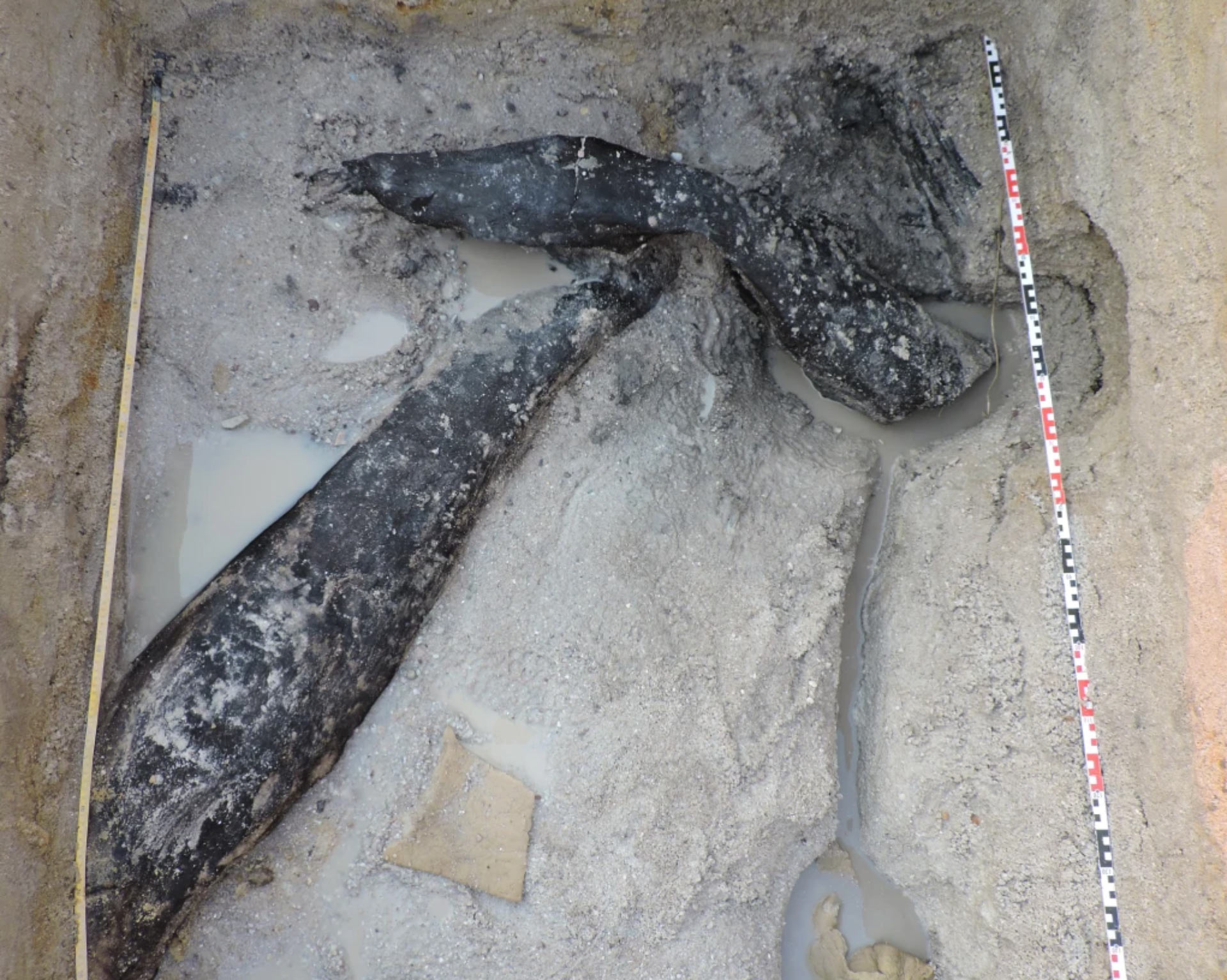
One clue to how these early floating structures might have been constructed can be found at Kalambo Falls in Zambia. Archaeologists have discovered the oldest known wooden structures here, dated to around 476,000 years ago. These structures consist of two interlocking logs joined by an intentionally cut notch. The researchers behind this finding believe the structures were likely used as a stable platform in a wet environment, which may have included use as a raft or dock (Barham et al., 2023).

The preservation of these wooden structures was possible because they became waterlogged, meaning they were submerged in water and saturated, preventing decomposition by creating an anaerobic (oxygen-free) environment (Barham et al., 2023). This remarkable preservation provides further evidence of early humans’ ability to use wood to create structures for aquatic activities.

Surfer’s Ear: Evidence of Aquatic Adaptations in Early Humans

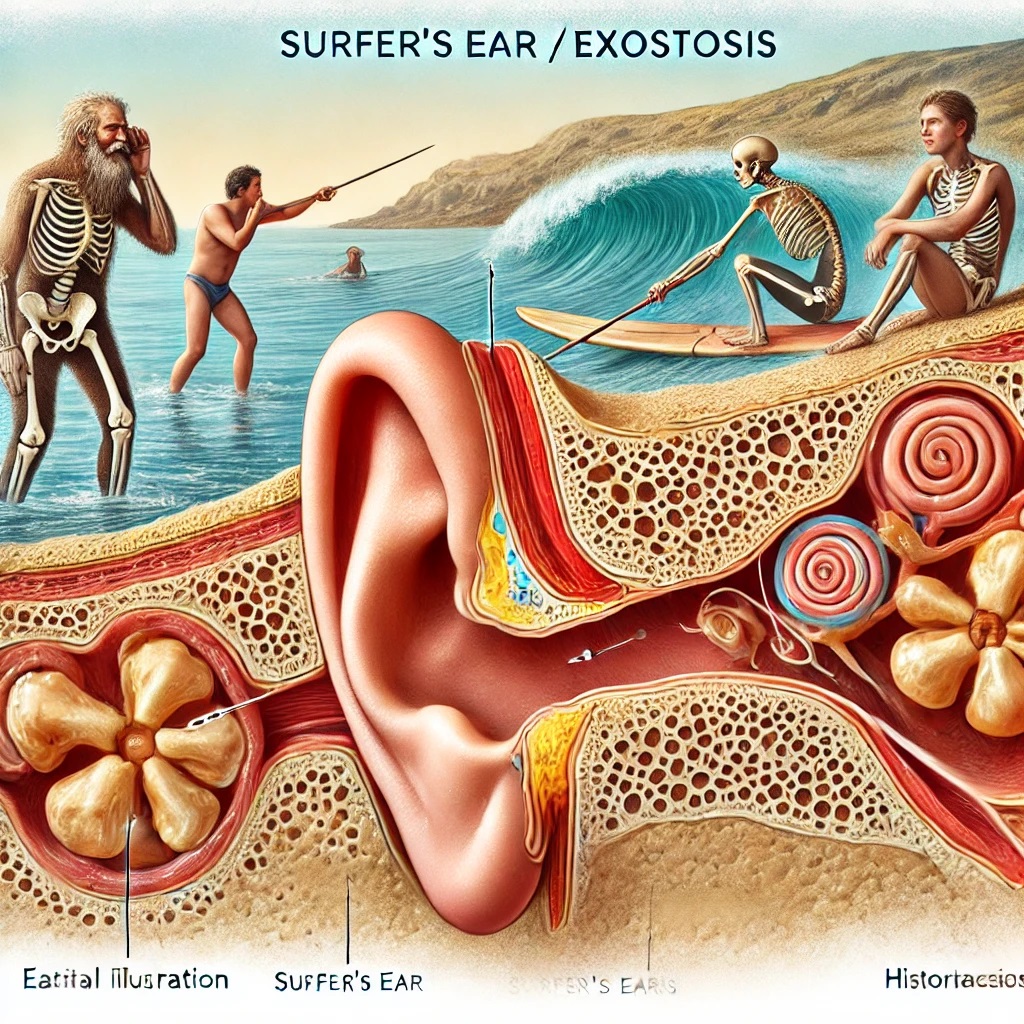
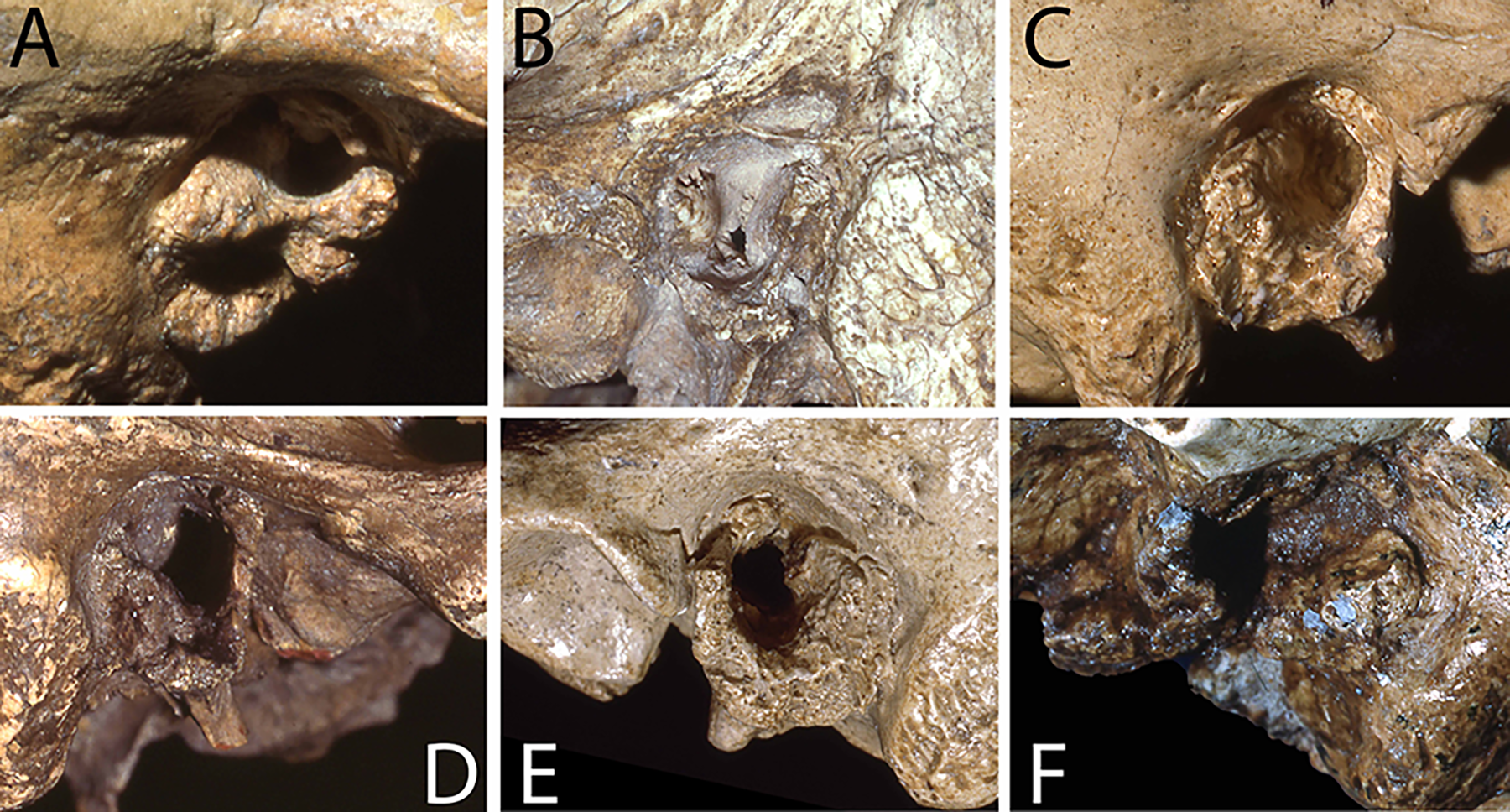
Surfer’s ear, or exostosis, is a bony growth in the ear canal that develops from prolonged exposure to cold water. Research by Trinkaus, Samsel, and Villotte (2019) has shown that a significant percentage of both Neanderthal and early Homo sapiens fossils in Eurasia exhibit this condition. In a study examining 77 fossils with well-preserved ear canals, it was found that these early humans were frequently in cold water environments, likely for marine foraging activities (Trinkaus, Samsel, & Villotte, 2019).

In the study, 48% of the Neanderthal specimens investigated had Surfer’s ear. While it was often difficult to determine their sex, among the identified Neanderthal women, three out of four had this condition (Trinkaus, Samsel, & Villotte, 2019). Similarly, Surfer’s ear was prevalent in Homo sapiens fossils, with approximately 25% of Middle Paleolithic specimens (300,000 to 30,000 years ago) showing the condition. The prevalence was 20.8% during the Early/Mid Upper Paleolithic (50,000 to 30,000 years ago) and dropped to 9.5% in the Late Upper Paleolithic (30,000 to 10,000 years ago), indicating a change in lifestyle (Trinkaus, Samsel, & Villotte, 2019).

Interestingly, in the 19 sexable Early/Mid Upper Paleolithic Homo sapiens specimens, Surfer’s ear was present in 16.7% of males and 28.6% of females. This suggests that more women than men exhibited this condition in early Homo sapiens (Trinkaus, Samsel, & Villotte, 2019). These findings support the hypothesis that women, due to their thicker layer of subcutaneous fat, were better suited to spending extended periods in water and were likely more involved in diving activities. This evidence highlights the significant role aquatic environments played in the lives of early humans.

Moreover, findings from Panama show that even people living in warm environments can develop Surfer’s ear when they engage in deep diving where the water is colder. This observation is supported by the analysis of fossils dating back thousands of years (Arias-Martínez et al., 2019), further emphasizing the connection between human activity and aquatic environments across different climates and time periods.

Conclusion

These pieces of evidence collectively paint a compelling picture of how early humans thrived in and around water. From navigating long distances over open seas to developing physiological adaptations to cold water environments, much also indicates that women were perhaps more involved than men in diving activities during this time.

As we uncover more about our past, it becomes clear that our relationship with water has profoundly shaped our evolution. These findings not only challenge previous notions about early human behavior but also open new avenues for understanding the complexities of our development. The future of exploring our aquatic heritage lies in continued research and the growing field of underwater archaeology, promising even more fascinating discoveries.

Literature

Amirkhanov, K. A., Zhukov, V. A., Naumkin, V. V., & Sedov, A. V. (2009). Эпоха олдована открыта на острове Сокотра. Pripoda, 7.

Arias-Martínez, L., González-Reimers, E., Velasco-Vázquez, J., Santolaria-Fernández, F., & Hernández-Moreno, M. (2019). Auditory exostoses and their relationship to environmental factors in the pre-Hispanic Canary Islands. American Journal of Physical Anthropology. https://onlinelibrary.wiley.com/doi/abs/10.1002/ajpa.23757.

Barham, L., et al. (2023). Earliest Evidence of Structural Use of Wood at Kalambo Falls. Nature. https://www.nature.com/articles/s41586-023-06557-9.

Detroit, F., Mijares, A. S., Piper, P., Grün, R., Bellwood, P., Aubert, M., … & Zeitoun, V. (2019). A new species of Homo from the Late Pleistocene of the Philippines. Nature, 568(7751), 181-186.

Morwood, M. J., Oosterzee, P. V., & Sutikna, T. (2007). The Discovery of the Hobbit: The Scientific Breakthrough that Changed the Face of Human History. Random House.

O’Connell, J. F., Allen, J., & Hawkes, K. (2010). Pleistocene Sahul and the Origins of Seafaring. Cambridge Archaeological Journal, 20(1), 69-84. doi:10.1017/S0959774310000055.

Strasser, T. F., Panagopoulou, E., Runnels, C. N., Murray, P. M., Thompson, N., Karkanas, P., … & Coleman, J. (2010). Stone Age seafaring in the Mediterranean: evidence from the Plakias region for Lower Palaeolithic and Mesolithic habitation of Crete. Hesperia: The Journal of the American School of Classical Studies at Athens, 79(2), 145-190.

Trinkaus, E., Samsel, M., & Villotte, S. (2019). External auditory exostoses (Surfer’s ear) in the human fossil record: A proxy for behavioral adaptations to aquatic resources. PLOS ONE, 14(8): e0220464. https://journals.plos.org/plosone/article?id=10.1371/journal.pone.0220464.

A New Perspective on Marx’s Theory of Alienation and Human Creativity

Karl Marx’s insights into human nature and alienation remain profoundly relevant today. His early writings described a human nature fundamentally at odds with the capitalistic system because their creative ability came into the possession of others. Marx’s ideas highlighted the disconnection individuals felt from their labor, their products, and ultimately themselves.

The new understanding of human development, as discussed in my previous articles, sheds new light on creativity and alienation. Throughout evolution, tools and technology helped humans establish themselves in environments where they were not biologically adapted. Intertwined with our evolution, tools and technology have significantly shaped our creative ability. This adaptation led to significant brain development, enabling us to imitate and reproduce behaviors; and in situations of big changes make us able to invent. Tools changed our hands, particularly the thumb grip, and enhanced qualities such as increased working memory, spatial cognition, and improved coordination and dexterity.

Additionally, it spurred the development of language, which originally was structured behavior and what we can describe as embodied culture. In this text, I will explore the foundations of human creation and see what we can learn about alienation from a modern perspective. How does our evolutionary journey illuminate the causes of alienation in today’s world?

Creation as a Mental Process

Creation is fundamentally a mental process where an image or idea from the mind is projected onto external reality. When humans create, we transfer a mental image onto reality, projecting a part of ourselves onto the material world. This process of creation is not only about material production but also about expressing and shaping human identity, culture, and mind. Creation is inherently a spiritual act, where the materialization of mental images connects us deeply with our inner selves and the universe around us.

This understanding is central to comprehending how humans have historically used language and tools in a way that does not distinguish between body and mind. This unity reflects a state where language and tool use were inseparable, representing a holistic way of interacting with the world. Early Homo sapiens were remarkably stable and conservative in their tools and material culture, with no evidence of art or symbolic representation for more than half of their existence. This suggests that their interaction with the world was primarily practical and utilitarian, rather than expressive or decorative.

This unity is also reflected in nearly all mythologies that describe an original undifferentiated state where humans and nature were inseparable. In other words, the human brain fostered a sense of connectivity enabled through our mind-tool relationship with the world. This holistic interaction with our environment highlights the deep-rooted integration of cognitive and physical processes in human development.

The neuroscientist Michael Arbib and the paleoanthropologist André Leroi-Gourhan have both contributed to our understanding of this connection. Arbib has explored how grasping for material objects and the role of mirror neurons laid the foundation for what later became language as we know it today (Arbib, 2012). Arbib also claims that human language arose in a different part of the brain than the so-called primate calls. Leroi-Gourhan, on the other hand, has highlighted the role of technology as a kind of “membrane” that mediates the relationship between humans and their surroundings, demonstrating the deeply integrated role of technology in human culture and cognitive development (Leroi-Gourhan, 1993).

Marx’s Philosophy of Creation and Alienation

Karl Marx saw humans as creative beings who actively reshaped the world around them, constantly interacting with their environment. Our new understanding of evolution and creation provides a fresh and solid foundation for Marx’s thinking about human nature and alienation. The insight that language and tool use were intertwined from the beginning reveals the profound nature of creation—it is not just a reflection of the inner world but also a way to physically and actively shape our environment. There is an intricate interplay between human creation and the environment, each influencing and transforming the other, which in turn contributes to societal change and change of mind.

Marx recognized that when humans’ creative power is taken from them and transformed into something alien and unknown, it leads to deep alienation (Marx, 1959). It is not just that everything becomes a commodity in capitalism; it is that we lose a part of ourselves when our work—our materialized self—is taken from us. According to Marx, when we create, a part of our soul is materialized in the product. When this product, this piece of our soul, does not belong to us but to someone else through private property regulations and monetary transactions, something in us is lost. Marx originally philosophized about this, describing how this deprivation makes the individual feel alienated from the products of their own labor and ultimately from themselves. This separation is deeply harmful to both individual well-being and the health of society at large. In this stage, people function only in their most basic physiological capacities, devoid of soul, creativity, and happiness.

Originally, this creation involved monotonous repetitive movements that did not include symbols. However, during the cognitive revolution, which occurred between 50,000 and 75,000 years ago, language became unrestrained and started to incorporate symbols, transforming the way humans thought and created. Despite this transformation, creation has always remained fundamentally a spiritual practice. It has always been a way to reconnect with the original sense of connectivity and unity of body and soul.

The Body as Master of the Brain

Recent research offers new insights into Karl Marx’s ideas on alienation. Guy Claxton, a psychologist and cognitive scientist, has challenged the conventional view of the brain as the primary controller of human activity. He posits that the brain should be seen as a servant to the body, emphasizing the crucial role of physical interaction in cognitive processes (Claxton, 2015). This perspective highlights the importance of bodily experiences and actions in our cognitive development and creative expression, a concept that is increasingly acknowledged in the field of embodied cognition.

Claxton also argues that a significant part of our thinking resides in our hands. Monotonous creation, such as crafting or art, can calm and focus the mind. This process involves a dialogue between mind and matter, where mental concepts are projected and transformed through physical actions. This idea supports Marx’s view that labor, when aligned with one’s essence, becomes a source of fulfillment.

Living with Material Technology

The influential anthropologists Marshall Sahlins has posited that traditional and indigenous peoples often lead lives of relative abundance and satisfaction through their deep integration with their material environment (Sahlins, 1972). This idea challenges modern assumptions about material wealth and fulfillment, suggesting that human well-being is closely tied to a harmonious relationship with one’s surroundings. All traditional peoples have more or less created their own material world, embodying a symbiotic relationship with their environment that fosters both sustainability and contentment.

The Bajau Laut people are a modern example of a group that still lives this way today. They exemplify how deeply satisfying it can be to live in harmony with one’s material technology. By directly creating their world through interactions with their environment, they demonstrate a way of life where technology and the environment are not foreign or separate from daily human life but rather an integrated part of it. Much of what they use in their daily lives, such as boats, fishing gear, goggles, and even their houses, are created with their own hands.

This form of direct engagement in creating and shaping one’s world is reflected in various indigenous and traditional societies worldwide and is central to human fulfillment. The practice of crafting and using tools that are intimately connected to their environment not only meets practical needs but also reinforces a profound sense of identity and purpose. By examining the lifestyles of the Bajau Laut and other indigenous groups, we gain insight into the essential human drive to create and the deep satisfaction derived from living in harmony with the material world.

The Abundance of Soul in Capitalism

Marx also briefly touched on the alienation that capitalists themselves experience, who, despite accumulating wealth, lose touch with their human nature. In a capitalist framework, everything, including creativity and human interactions, becomes a means to an end, breaking the fundamental connections with the natural world, community, and oneself. The purpose of existence, which once involved meaningful engagement and fulfilment, is overshadowed by the relentless pursuit of wealth. This detachment creates an insatiable state of lack, revealing a profound societal alienation.

In such a society, our lives become tools for accumulation. The primary role is to accumulate money, which can be transformed into anything, giving it a powerful allure. This drive shifts our existence towards the relentless pursuit of wealth, energy, and material gains, transforming our very essence into different forms of capital. This can lead to an overwhelming abundance of ‘soul’—the materialized product of others’ hard work and alienation. However, this influx of material wealth and success does not satisfy; instead, it exacerbates the sense of emptiness and detachment.

As we become overwhelmed by this materialized soul, alienation also arises among the privileged, leading to an insatiable desire for more. This craving for more is starkly visible in Silicon Valley, where many tech entrepreneurs are now pursuing projects to unlock eternal life. This illustrates the complex and pervasive nature of alienation in modern capitalist society, where life becomes a tool for accumulation, and an abundance of material wealth fuels a deeper void.

Conclusion

Our exploration into the foundations of human creation, drawing from the perspectives of early Homo sapiens, Karl Marx, and indigenous peoples, reveals that reconnecting with our creative and spiritual essence is essential for overcoming alienation. The capitalist system’s relentless pursuit of wealth and commodification of life leads to a profound sense of disconnection and emptiness. This alienation affects not only workers but also capitalists, who remain estranged from their human nature despite their material success.

The earliest Homo sapiens were guided by their bodily experiences, which formed a kind of embodied culture and a deeply spiritual experience, where doing and thinking were inseparable from both hand and mind. This historical perspective shows that human creation and physical interaction have always been intertwined, providing a sense of unity and fulfillment that is often missing in modern capitalist societies.

We see this clearly in Silicon Valley, where the quest for more inventions and transcending human limits seems insatiable. Here, people are even pursuing projects to unlock eternal life, which is a profound sign of alienation. To counteract this, we must embrace the inherent satisfaction found in simplicity and monotonous creative expression. Indigenous peoples exemplify living in harmony with their material environment, fostering both sustainability and contentment.

Through the act of creation—whether through art or crafting—we engage in a meaningful dialogue with the world, connecting the spiritual and physical realms and allowing for genuine self-expression. Indigenous cultures, in particular, demonstrate the deep fulfillment that comes from integrating creative practices with everyday life, highlighting the importance of this balance.

Ultimately, we must recognize the limits of our needs and the futility of overindulgence. The constant striving for more only deepens the void within us. By choosing to be satisfied with less and focusing on reconnecting with our creative and spiritual roots, we can find true fulfillment and mitigate the alienation pervasive in modern society. Embracing a simpler, more connected way of living, as seen in indigenous cultures, offers a path to overcoming the deep-seated disconnection that capitalism perpetuates.

The ultimate alienation will not lead to the end of death; rather, it will lead to our dissolution.

References

Arbib, Michael. “How the Brain Got Language: The Mirror System Hypothesis.” Oxford University Press, 2012.

Leroi-Gourhan, André. “Gesture and Speech.” MIT Press, 1993.

Claxton, Guy. “Intelligence in the Flesh: Why Your Mind Needs Your Body Much More Than It Thinks.” Yale University Press, 2015.

Sahlins, Marshall. “Stone Age Economics.” Aldine-Atherton, 1972.

The Displacement of Bajau Laut: A Lost Haven in Sabah

In a contentious move aimed at allegedly enhancing security and curbing cross-border crime, Malaysian authorities have evicted over 500 Sama Dilaut individuals from their homes within Tun Sakaran Marine Park off the coast of Semporna, Sabah, starting on June 4. The Sama Dilaut saw their coastal stilt huts demolished or burned by enforcement officials, sparking a wave of criticism from rights groups and local activists.

In this movie, we can see how Malaysian authorities demolish Sama Dilaut houses on Maiga Island and Salakan Island, both within Tun Sakaran Marine Park.

Historical and Cultural Significance

The Sama Dilaut have been part of the marine landscape in Semporna for centuries. Their picturesque traditional settlements have attracted global attention for their unique architectural style and seemingly harmonious coexistence with nature. These settlements were not just homes but symbols of eco-living and sustainable practices, resonating deeply with any human. Bod Gaya, in particular, was renowned for its lovely stilt houses located next to a mountain top inside the Marine Park, as well as its boat-building activities of both houseboats and dugout canoes, a craft that has been passed down through generations.

Drone shot over the Sama Dilaut settlement near the foot of Bod Gaya in January 2023.
In this short video, we can see the heart-wrenching scenes of the broken houses of the Sama Dilaut community in Tatagan at the foot of Bod Gaya after the evictions.

Government’s Stance

Sabah’s Minister of Tourism, Culture, and Environment, Christina Liew, defended the eviction operation, stating that it was necessary to uphold the sovereignty of the country’s laws. According to authorities, unauthorized activities such as illegal fishing, building without permits, and unpermitted farming within protected areas managed by Sabah Parks necessitated the crackdown. She also highlighted security concerns, including cross-border crime.

Liew claimed that some homeowners might have intentionally burned their own houses to garner sympathy and virality on social media. According to the authorities, notices had been sent to 273 unauthorized settlements, and between Tuesday and Thursday, June 4 to 6, no less than 138 structures were demolished inside the Tun Sakaran Marine Park.

Humanitarian Concerns and Advocacy

The Sama Dilaut are mostly born without nationality documents, which limits their access to basic amenities such as healthcare and education. This lack of documentation means they are often treated as undocumented migrants, living in constant fear of detention and deportation. Local activists and rights groups have condemned the evictions, calling for the government to halt these actions and ensure the Sama Dilaut’s safety and protection.

Mukmin Nantang, founder of the social advocacy group Borneo Komrad, criticized the government’s actions as cruel, noting that the Sama Dilaut have lived in the area since before the establishment of modern borders. The destruction of their homes and forced displacement raises serious humanitarian issues, as the community lacks alternative housing options and struggles to understand and comply with local laws.

Pusat Komas, a human rights group, has called on the state to provide alternative homes for the displaced and address documentation issues to ensure fair treatment and access to essential services for the Sama Dilaut. The advocacy emphasizes the need for a humane approach that respects the Sama Dilaut’s way of life and their historical connection to the region.

Personal Insights and Experiences

I have been visiting the area regularly between 2011 and 2023, and I know locals in stilt houses and houseboat owners who normally have their moorage within the marine park. One memorable experience was with a young Sama Dilaut man who took me diving in the shallow waters off the paradise island of Sibuan. He showcased the vibrant marine life of the area, and we spotted a moray eel and clams. He was acutely aware that fishing within the park was prohibited and mentioned that they always fished outside the no-go zone.

Each time I returned to the park, old structures had been replaced with new ones. This constant renewal was a testament to their adaptability and a perfect example of green architecture. New houses always emerged, yet the overwhelming beauty of the settlements remained unchanged.

The key word in Sama Dilaut architecture is adaptability. In the West, we generally aspire for solidity, thick and immovable construction. We don’t build with the elements but rather to master them, to control them. The Sama Dilaut, on the other hand, have learned how to live with the elements and to adapt their construction to the natural environment. Hence, waves, floods, and erosion are minor problems for Sama Dilaut’s settlements—while they have closer access to sea life than anyone else.

However, now something essential has been broken. It is profoundly sad that it was not possible to combine the marine park’s conservation efforts with the traditional settlements and lifestyle of the Sama Dilaut. Even if it is true that illegal fishing and lodging have been issues within these protected areas, the Sama Dilaut lived with the tides and the waves, holding on to ancient traditions. We must also remember the everyday struggles the Sama Dilaut go through—this was one of their last havens. The state’s rationale has taken a new step, prioritizing enforcement over coexistence.

Unworthy Othering

For years, photo safaris have been organized regularly within Tun Sakaran Marine Park, with thousands of tourists handing out crackers to take photos of the “wild” Sama Dilaut. This practice reduces the Sama Dilaut to mere spectacles for tourism, stripping away their dignity and humanity. Tour operators referring to them as “sea gypsies” reflect deep-seated racism in the area.

The Sama Dilaut face statelessness and structural violence, evident in many locals’ aversion to eating with them, disdainful looks on the streets, and the belief that they are destined to live this way. Now, their homes have been demolished, exacerbating the already widespread poverty among the Sama Dilaut.

Final Reflections and Future Implications

Many of the reasons cited by authorities, such as smuggling and national security concerns, also apply to other Sama Dilaut settlements around the Semporna area, such as Denawan Island. Was this an excuse to remove settlements particularly within Tun Sakaran Marine Park, or is it possible that similar actions will be taken in other parts of the area?

One potential reason behind the evictions is the significant influx of tourists to Semporna, as tourism is vital to the area’s economy. In the image to the left, taken on another paradise island in the area, Timba Timba, which lies outside the marine reserve, one can see hundreds of tourists enjoying the white beaches and boosting their social media accounts — and that is going on day after day.

This raises questions about sustainability. What is actually most valuable: the long-term health of the environment or the immediate influx of hard cash from tourism? The Sama Dilaut are left in a limbo, caught between the pressures of a booming tourism industry and the need to preserve their traditional way of life and the natural environment they depend on.

The picturesque and culturally rich settlements of Bod Gaya and Maiga are no more, dismantling not just homes but a significant part of the region’s heritage. As the world watches, it is crucial for advocacy and dialogue to continue, ensuring that the Sama Dilaut receive the protection and dignity they deserve.

For more information, you can read the following articles:

Malaysia evicts 500 sea nomads in crackdown on migrants (by Reuters, Asia Pacific, June 4, 2024).

Malaysia defends eviction of sea nomads, citing security concerns (by Reuters, Asia Pacific, June 8, 2024.)

Shifting the Paradigm: From Acheulean Hand Axes to Modern Minds

The prevailing paradigm in paleoanthropology asserts that we developed larger brains to manage and adapt to a wide range of environments and challenges. Our cognitive flexibility is thought to have evolved so that we could think abstractly, plan ahead, solve complex problems, and adjust our behavior to changing circumstances. This paradigm places the human brain and language at the center of evolution, suggesting that these capabilities enabled survival in a mosaic of environments (Klein, 2009; Tattersall, 2012).

However, the fossil record contradicts this perspective. Homo erectus lived from approximately 1.9 million years ago to around 110,000 years ago (Anton, 2003). During this extensive period, their brain volume nearly doubled, from about 600 cubic centimeters to approximately 1,000 cubic centimeters (Rightmire, 2004). Despite this significant increase in brain size over more than a million years, they continued to produce Acheulean hand axes with only minor variations and lived in warmer climates (Lycett & von Cramon-Taubadel, 2008). Tools can be seen as fossilized behavior – if the tools remained stable, it is likely that the behavior was also stable. Even early Homo sapiens, Neanderthals, and our common ancestor Homo heidelbergensis exhibited extreme conservatism in their behavior.

This raises the question: if the brain evolved to be flexible, why is this not reflected in the fossil record? One might also wonder why humans would evolve in constantly changing environments while other animals evolved to thrive in specific niches with stable survival strategies, sometimes displaying complex behaviors. Mammals such as bears and orcas live in relatively stable environments and exhibit intricate behaviors, contrasting with the portrayal of human evolution as being driven by constant environmental changes. Perhaps the idea of a perpetually changing environment is a misconception – a projection of modern man’s idolized flexible nature onto the process of evolution.

The Necessity of Stability for Evolutionary Change

Evolution requires stability. If a body part evolves, it signifies consistent behavior and selection pressure over generations. If the brain evolved to enhance flexibility and creativity, it implies that these humans lived in constantly changing environments and had to be inventive day after day. This contradicts the evolution of other body parts, which require stability over generations, as consistent selection pressure is necessary for body parts to be selected and changed. During the same period that Homo erectus developed a gradually larger brain over millennia, they also grew taller, became more robust, appeared to lose body hair, and developed a wider pelvis, among other changes (Tattersall, 2012).

Within the paleoanthropological paradigm, several of the human body’s physical characteristics have been considered of secondary importance. Anthropologists have primarily focused on how and why we stood on two legs and freed our hands, as well as explaining why we became hairless, which is considered important for thermoregulation—both traits seen as prerequisites for living in various environments (Klein, 2009).

Specific traits that were not considered to have direct survival value, such as women’s round breasts, lips, and body aesthetics, have often been explained by male attraction. This has led to a sexualization of human evolution, as Elaine Morgan insightfully demonstrated (Morgan, 1997).

Thus, anthropologists have been predominantly interested in brain development and have primarily focused on physical traits that enabled flexible behavior. This, in essence, encapsulates the current paradigm.

An Anomaly Foretelling a Paradigm Shift: The Aquatic Ape Theory

The Aquatic Ape Theory (AAT) cannot be accepted under the current paradigm of human evolution. The more arguments presented in its favor, the more it is ridiculed and marginalized. It has been likened to a hydra; when one head is cut off, two more grow back. As an anomaly, it has been treated with anger, ridicule, and denial, as I discussed in my Bachelor thesis from 2008. The Aquatic Ape Theory contradicts our current framework, where human development is viewed through the lens of adaptability and thriving in various environments. The prevailing paradigm focuses on understanding human evolution by studying when we became bipedal and freed our hands, as well as how we adapted to new dietary and climatic challenges.

The Aquatic Ape Theory helps explain a range of physical characteristics in humans that have previously been of little interest in anthropology. It explains why we have prominent lips, round breasts, hairlessness, streamlined hair growth, the diving response, sensitive fingertips, and the phenomenon of surfer’s ear. (Morgan, 1997; Verhaegen, 2013).

Our prominent lips can be seen as an adaptation for creating a seal while sucking liquids and food in a watery environment. Women’s round breasts may have developed to facilitate nursing in water, where the child may need to grasp the breast differently than on land. Human hairlessness could be an adaptation to reduce drag while swimming. The remaining body hair, such as on the head, is directed backward, which reduces water resistance.

The human diving response, which includes a reduced heart rate and decreased blood circulation to the extremities when submerged in water, is similar to that of marine mammals and supports the hypothesis of a water-based adaptation. Our sensitive fingertips may have developed to better feel and handle food and objects in a wet environment. The phenomenon of surfer’s ear, or exostoses in the ear canal, occurs more frequently in people who are regularly exposed to cold water, which could indicate an evolutionary adaptation to aquatic life.

These physical traits, previously seen as irrelevant or difficult to explain within the traditional paradigm of paleoanthropology, find a logical explanation through the Aquatic Ape Theory. This theory suggests that our ancestors spent a significant part of their lives in or near aquatic environments, which has shaped many of our unique physical characteristics (Morgan, 1997; Hardy, 1960; Verhaegen, 2013).

Both the fossil record, with its extremely conservative behavior observed in Homo erectus, Homo heidelbergensis, Neanderthals, and early Homo sapiens, and several of our physical traits receive a more plausible explanation when we envision a semi-aquatic past. As anomalies continue to accumulate within the current paradigm, in line with Kuhn’s theory, it becomes increasingly evident that a paradigm shift is imminent.

The Paradigm Shift

The copernican revolution, which I have previously written about, paves the way for the Aquatic Ape Theory by emphasizing bodily adaptations through evolution and highlighting the brain as an assistant to the body rather than a constant innovator. It is only through this fundamental shift that we can explain the fossil record over the past millions of years and fully understand our physical characteristics.

Our brains did not primarily evolve to make us continuously smarter and more innovative. On the contrary, their primary function was to stabilize our behavior, cement routines, and enhance our ability to imitate and emulate. This stability in behavior and technology enabled survival and adaptation over generations, rather than driving constant innovation.

The Role of Tools in Human Evolution: From Stability to Innovation

Tools have played a central role in human evolution. A hand axe, for example, represents an extension of the hand, equipped with a sharp cutting edge of stone. Tools can be considered exosomatic (external) organs that allow us to extract energy from environments that would otherwise be inaccessible. Tools enable us to adapt to environments where our bodies alone would fall short. Essentially, tools served as a bridge between our biological capabilities and the demands of new environments, acting like a lifeline that enabled adaptations which would otherwise be biologically impossible.

Once humans began using tools to survive in environments they were not biologically adapted to, evolution quickly and selectively adapted our bodies to these new surroundings. Throughout human history, this process involved adapting our bodies, behaviors, and the transmission of knowledge to new environments to become as efficient as possible in copying and imitating survival strategies. Working memory, perception, and especially language evolved and were refined to effectively replicate these behaviors. However, language should not be understood in the same way we relate to it today; rather, it was a stabilizing structure that linked humans to both their environment and each other. One could say that language functioned as if it were a biological trait due to its conservative nature. This explains the co-evolution of both brain and bodily adaptations, something the current paradigm struggles to comprehend.

The creative potential and power of language developed as latent abilities—they were the other side of the coin, the hidden force. During events of climate change, when the previously well-established survival strategy was no longer effective, language was reprogrammed, awakened, and became free and untamed. This led to technological innovations and adaptations. However, these innovations were only temporary until a new adaptive strategy emerged—since changes in nature do not occur indefinitely—after which stability and consistency were restored. This pattern applies to the transition from one human species to another.

For instance, Homo heidelbergensis appeared quite suddenly in the fossil record, with no clear intermediate forms linking them to their predecessors, suggesting a rapid evolution from earlier hominins (Rightmire, 1996). Similarly, Homo erectus emerged without evident transitional fossils, indicating a swift development from earlier species (Antón, 2003). This rapid emergence of new species can be explained by selective adaptation to specific environments, driven by the rapid explosion of creativity and intelligence. We developed new techniques that allowed us to adapt to new environments and find stable survival strategies. This stability, in turn, created strong selection pressure and led to evolution in a particular direction.                   

Final Reflections: The Hubris of Man

Homo erectus lived on earth for nearly 1.9 million years. Throughout this entire period, one tool was their most constant companion: the Acheulean hand axe.

With this tool, a seemingly simple yet enduringly effective invention, humans were able to survive in environments they were not biologically adapted to. Most likely, the stone axe was used to open shellfish, such as mussels and clams, which would otherwise have been inaccessible to humans (Morgan 2019). As Marc Verhaegen has suggested, Homo erectus became increasingly adept at exploiting the resources of the sea and lakes over time, refining and perfecting this survival strategy.

This insight sheds new light on who we are today. During the cognitive revolution, our language came alive, and we immediately sought new survival strategies. This also helps explain Alfred Wallace’s conundrum, as he argued that humans are mentally over-equipped for the kind of life they lead. Here we are, dreaming of moving to Mars and creating artificial general intelligence (AGI) and striving to reach a singularity, when what we should be striving for is to find and reproduce a long-term adaptive strategy, just as our ancestors did.

Before colonialism, there were groups of people who had lived stably for tens of thousands of years without actively reshaping nature through the domestication of plants and animals, such as the Kung people and Australian Aboriginals. Unfortunately, rationality and intelligence have taken over and led us astray. This is the hubris of man: to believe that endless innovation is the key to survival, when in reality, we might just end up being the species that perfected the art of self-destruction.

Literature

Antón, S. C. (2003). “Natural History of Homo erectus”. American Journal of Physical Anthropology, 122(S37), 126-170.

Hardy, A. (1960). “Was Man More Aquatic in the Past?”. New Scientist, 7(1), 642-645.

Klein, R. G. (2009). The Human Career: Human Biological and Cultural Origins. University of Chicago Press.

Lycett, S. J., & von Cramon-Taubadel, N. (2008). “Acheulean variability and hominin dispersals: a model-bound approach”. Journal of Archaeological Science, 35(3), 553-562.

Morgan, E. (1997). The Aquatic Ape Hypothesis. Souvenir Press.

Morgan, G. F. (2019). The Acheulean Hand Axe: A Toolmaker’s Perspective. Academia.edu.

Rightmire, G. P. (1996). “The Human Career: Human Biological and Cultural Origins”. University of Chicago Press.

Rightmire, G. P. (2004). “Brain size and encephalization in early to Mid-Pleistocene Homo”. American Journal of Physical Anthropology, 124(2), 109-123.

Tattersall, I. (2012). Masters of the Planet: The Search for Our Human Origins. Macmillan.

Verhaegen, M. (2013). “The Aquatic Ape Evolves: Common Misconceptions and Unproven Assumptions about the so-called Aquatic Ape Hypothesis”. Human Evolution, 28(3), 237-266.

Verhaegen, M. (2013). “The Aquatic Ape Hypothesis: Ten Years After”. Anthropological Review, 76(1), 1-17.

The Rise of Modern Behavior: A Copernican Revolution in Understanding Human Evolution

Have we misunderstood the true essence of human evolution and the role of language in our ancient past? In a new article, I propose a Copernican shift in our understanding of language’s original function and the cognitive revolution that began approximately 75,000 years ago.

Traditional views hold that language evolved primarily as a tool for enhanced communication and complex thought. However, this article suggests that language’s original role was more about replicating behaviors linked with tool use, transferring these behaviors from one generation to the next through singing and rhythm. Initially, language served to reconcile the gap between the human body and its environment, which arose with the advent of the first stone tools, enabling early humans to navigate landscapes for which they were not biologically adapted.

This theory resolves a longstanding paradox since the inception of evolutionary theory: although thinking has an evolutionary past, and Homo sapiens are estimated to be 300,000 years old, humans have not always been ‘modern.’ What if humans are not inherently meant to think and act as they do today? What if evolution promoted aspects other than intellectual capability? Accepting this paradox might mean acknowledging that humans have undergone both a gradual evolutionary process, as Darwin suggested, and a rapid developmental leap, as indicated by archaeological findings—without any genetic change in the brain.

This new theory draws support from a diverse array of disciplines. Archaeological records reveal sporadic bursts of creativity alongside a gradual brain development; meanwhile, studies on mirror neurons offer a neurological basis for mimicry and observational learning, essential for transmitting skills and behaviors across generations. Additionally, theories about our aquatic past propose that water-based environments laid the groundwork for the evolution of vocalization and singing. Insights into how children acquire language—focusing on the roles of intonation and rhythm—mirror the significant role that song played over speech. These interdisciplinary findings suggest that our evolutionary path was not a straightforward march towards greater intellectual capability but rather a complex journey marked by periods of significant conformity punctuated by bursts of creative potential since the first stone tools 2.6 million years ago. This perspective helps explain not only the creative outbursts in South Africa 75,000 years ago but also other instances of early possible symbolic behavior, such as the use of shell beads by early Homo sapiens and Neanderthals.

Moreover, this perspective aligns with various global mythologies that narrate an ancient, harmonious coexistence with nature, disrupted by the cognitive revolution. Could the hauntingly beautiful cave paintings, some of the earliest known forms of human art, be interpreted not just as artistic expressions but as calls for help? These artworks could be seen as profound expressions of a deep-seated longing for reconnection with the natural world we once knew.

You can find the article here: The Rise of Modern Behavior: A Copernican Revolution in Understanding Human Evolution