
Sea Nomads, Sea Women, and Human Adaptation: Reflections from Leiden and Aarhus
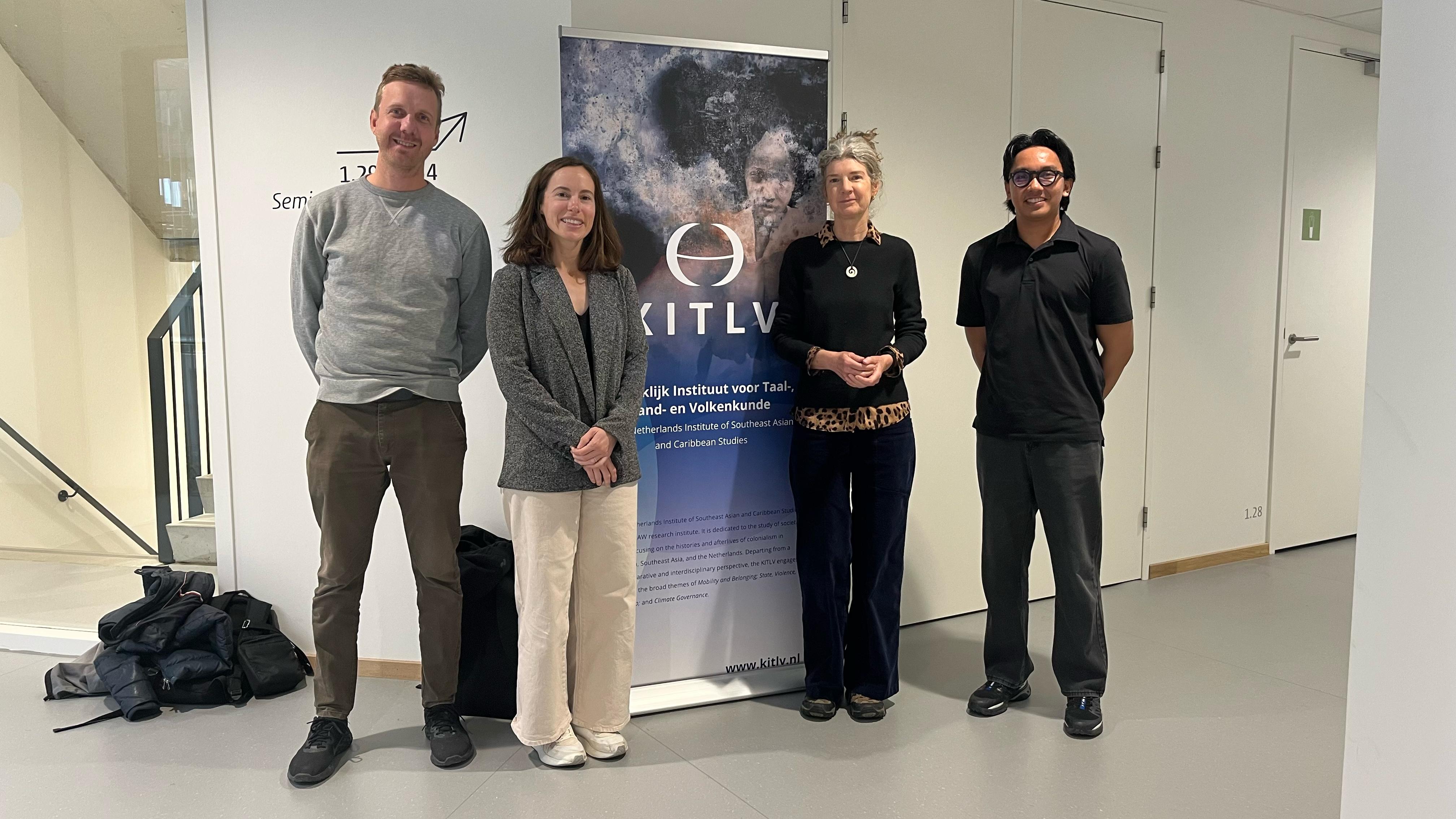
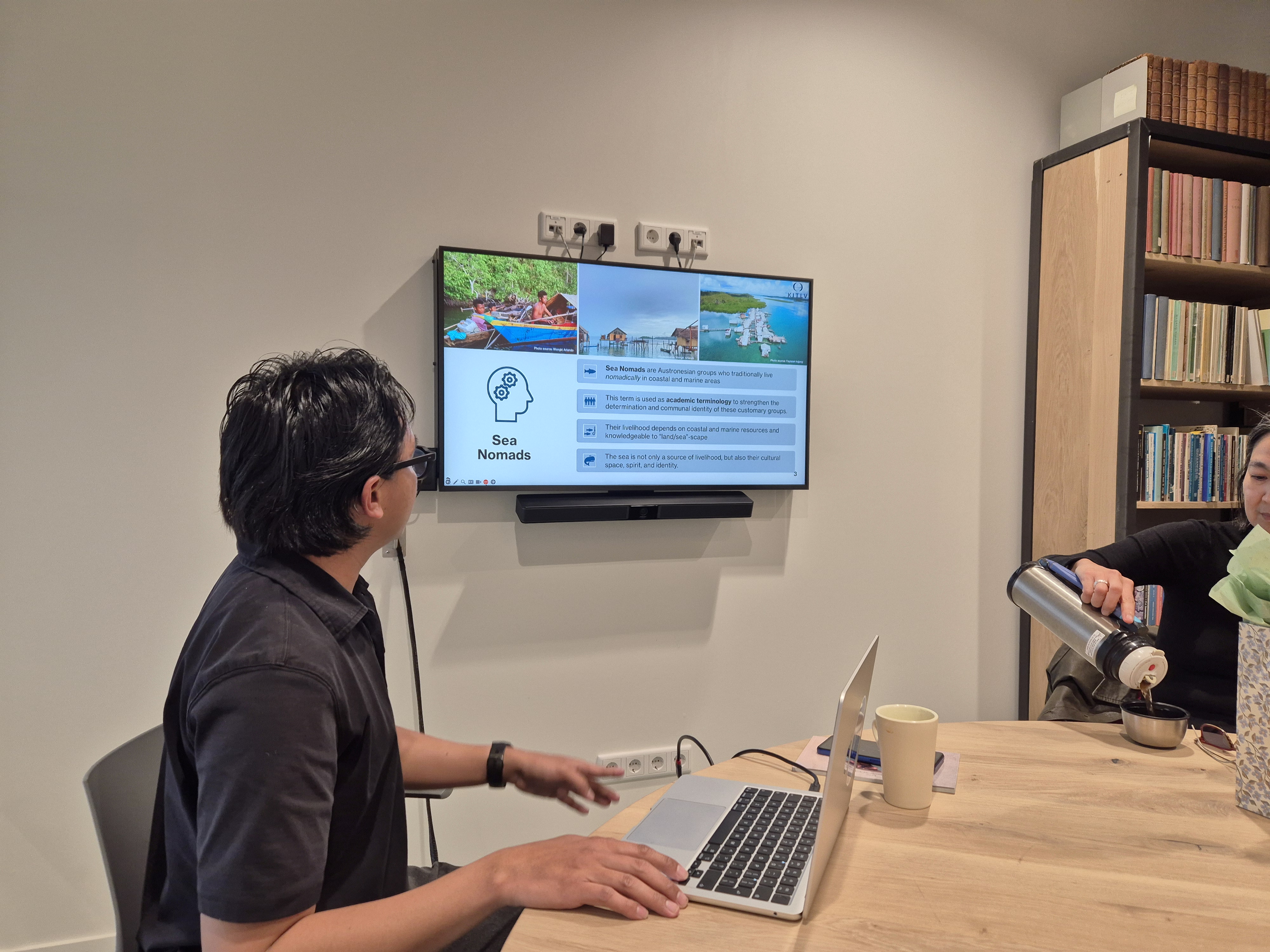
At the beginning of May I had the opportunity to visit Leiden University—more specifically KITLV (the Royal Netherlands Institute of Southeast Asian and Caribbean Studies). I was invited by Wengki Ariando, an Indonesian social anthropologist who recently started a postdoctoral position there. His research focuses on coastal and island communities in Southeast Asia, particularly sea-nomadic groups such as the Moken, Orang Laut, and Sama-Bajau.
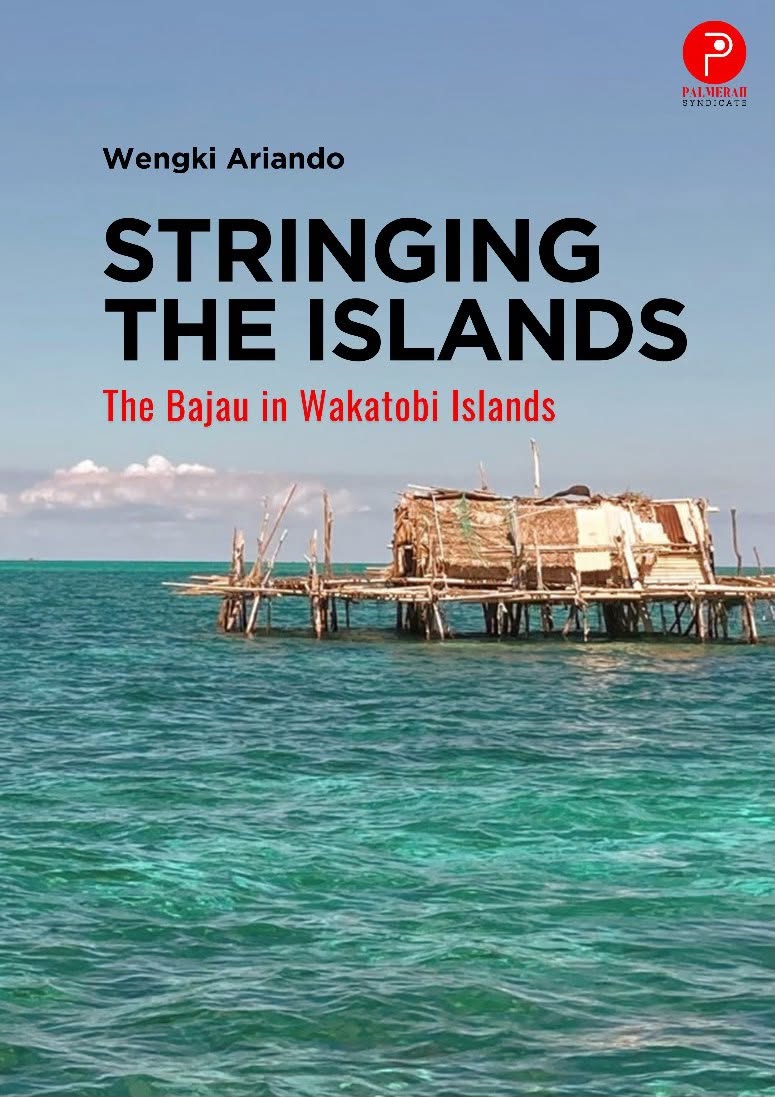
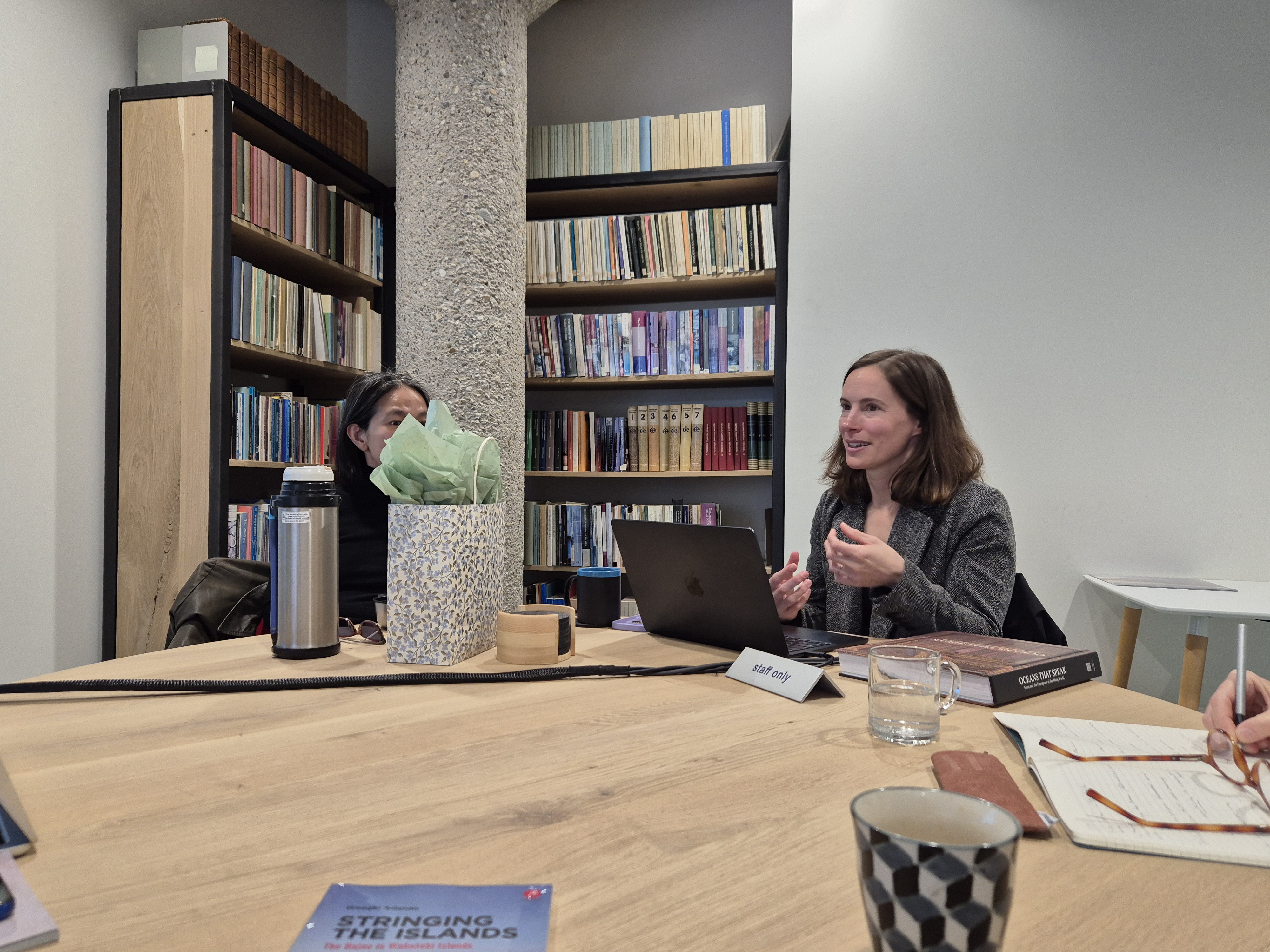
I first became aware of Wengki during the early stages of his fieldwork in Wakatobi, where he spent extended periods living with Sama-Bajau communities. It was therefore a real pleasure to finally meet him in person. During our meeting he kindly gave me a copy of his dissertation, Stringing the Islands, which explores Sama-Bajau life and history in Wakatobi, as well as the complex relationships between local communities, marine environments, and conservation policies. The dissertation also provides a detailed account of the different Sama-Bajau communities in the region and how they differ in terms of livelihoods, education, occupations, and adherence to more traditional ways of life.
Melissa Ilardo and the Genetics of Maritime Lifeways
During my visit KITLV also hosted a seminar that I attended on May 7, where the geneticist Melissa Ilardo gave a fascinating presentation on her work shortly after arriving from Utah. She became widely known in 2018 when she published research showing that the Sama-Bajau possess a genetically selected variation for larger spleens compared to neighboring populations—an adaptation believed to enhance their ability to free-dive.
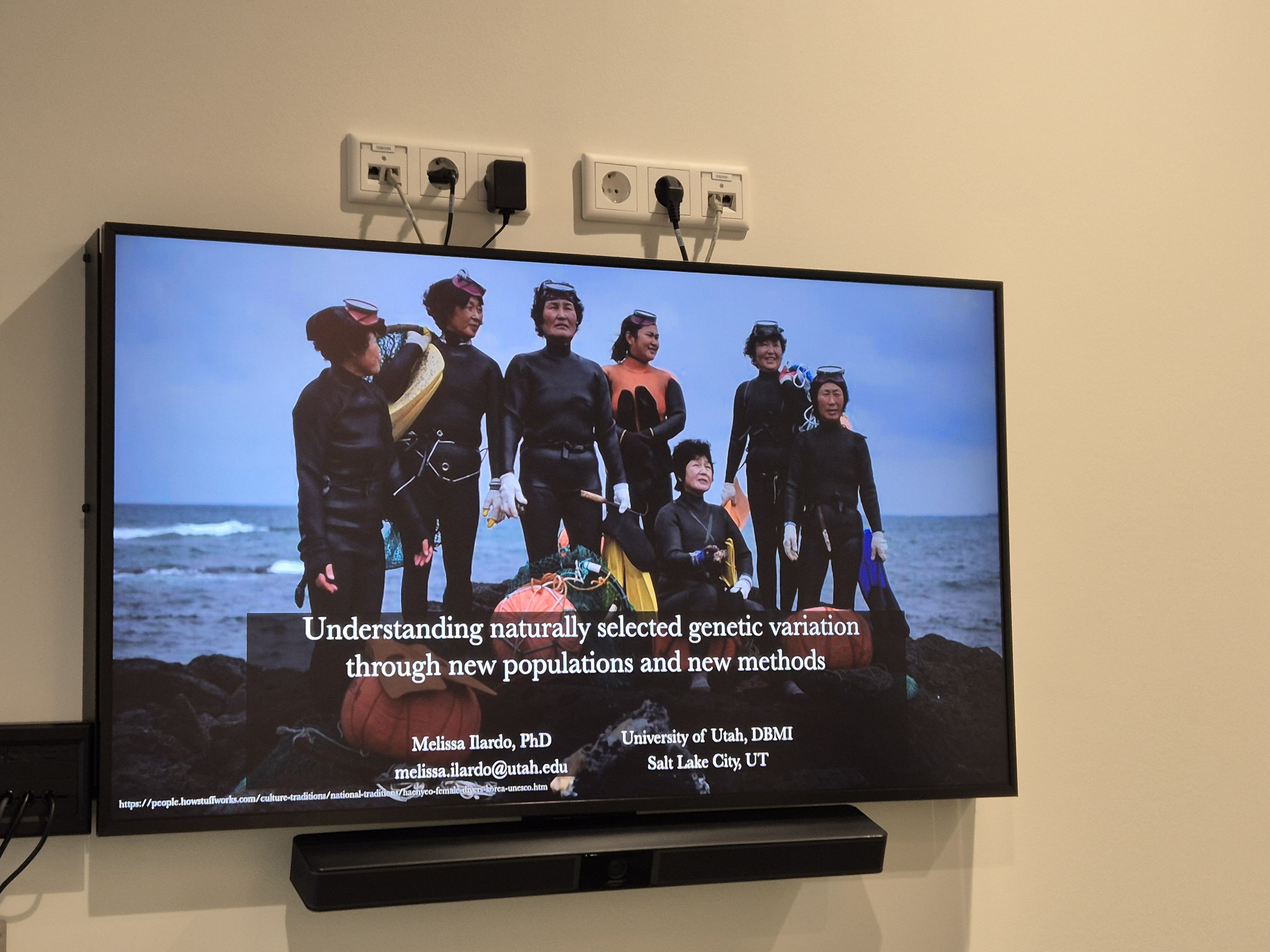
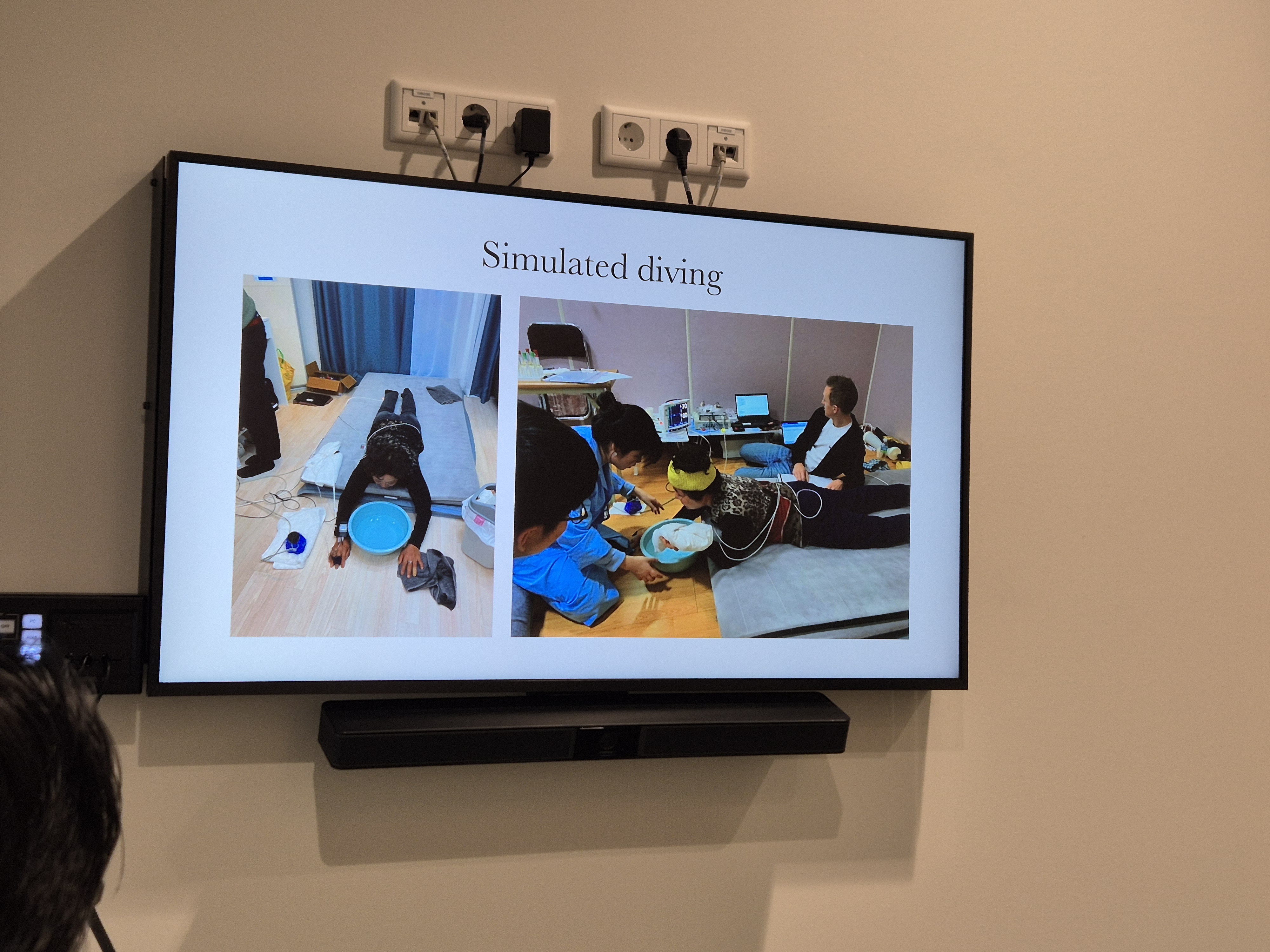
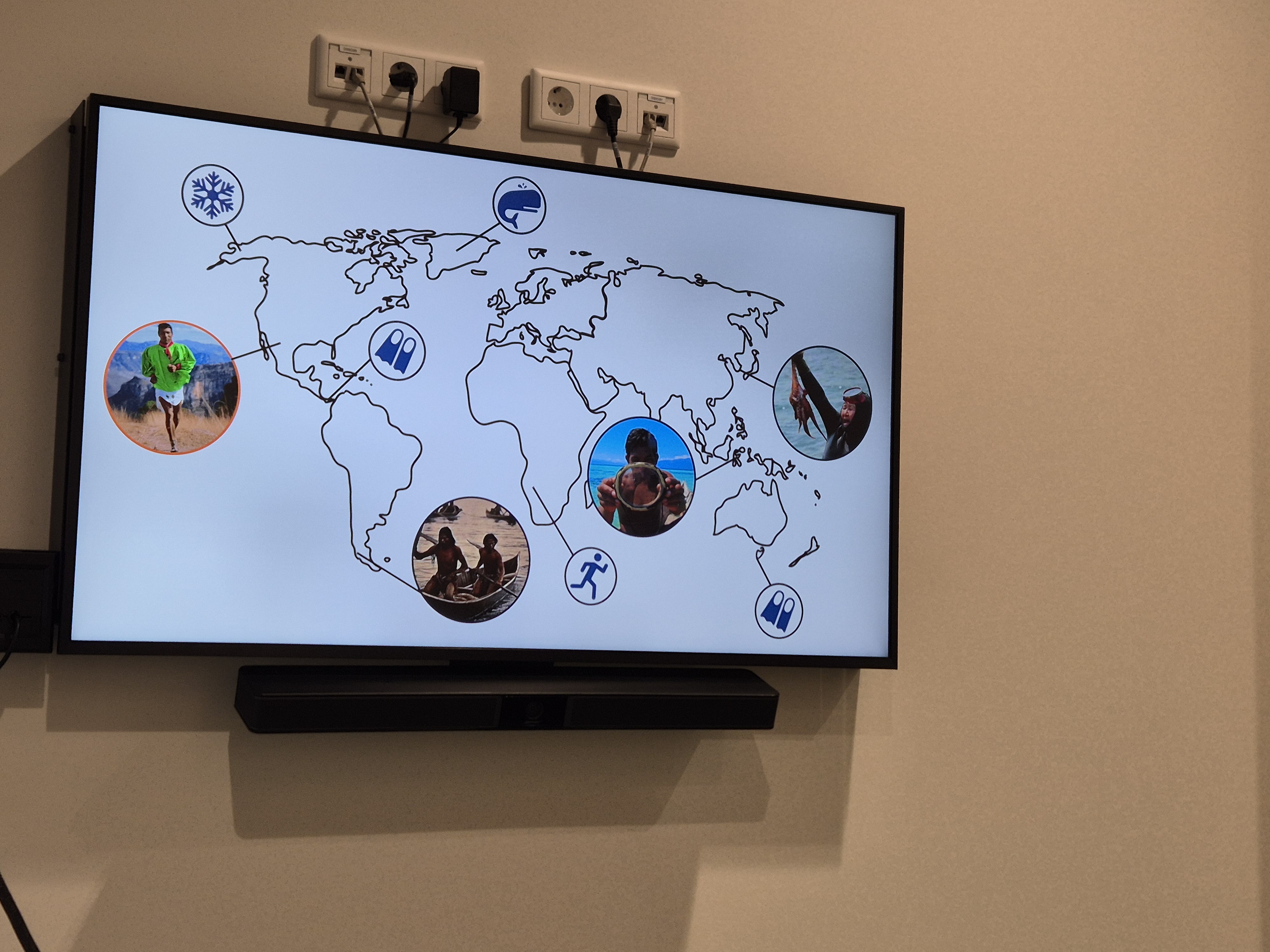
In the seminar she also spoke about more recent work on the haenyeo of Jeju, South Korea—literally “sea women.” These women have a long tradition of breath-hold diving to collect seafood, often continuing to dive even during pregnancy. In her recent study, “Physiological and Genetic Adaptations to Breath-Hold Diving in Jeju Haenyeo“, published in Cell Reports in 2025, Ilardo combines physiological and genetic data to investigate whether generations of diving have left measurable imprints in the DNA of Jeju Islanders. Among other findings, the study identified genetic variants associated with blood-pressure regulation and cold-water tolerance, adaptations that may have helped reduce some of the physiological risks associated with diving, including during pregnancy. It was a fascinating example of how culture, lifestyle, and biology can interact over long periods of time.
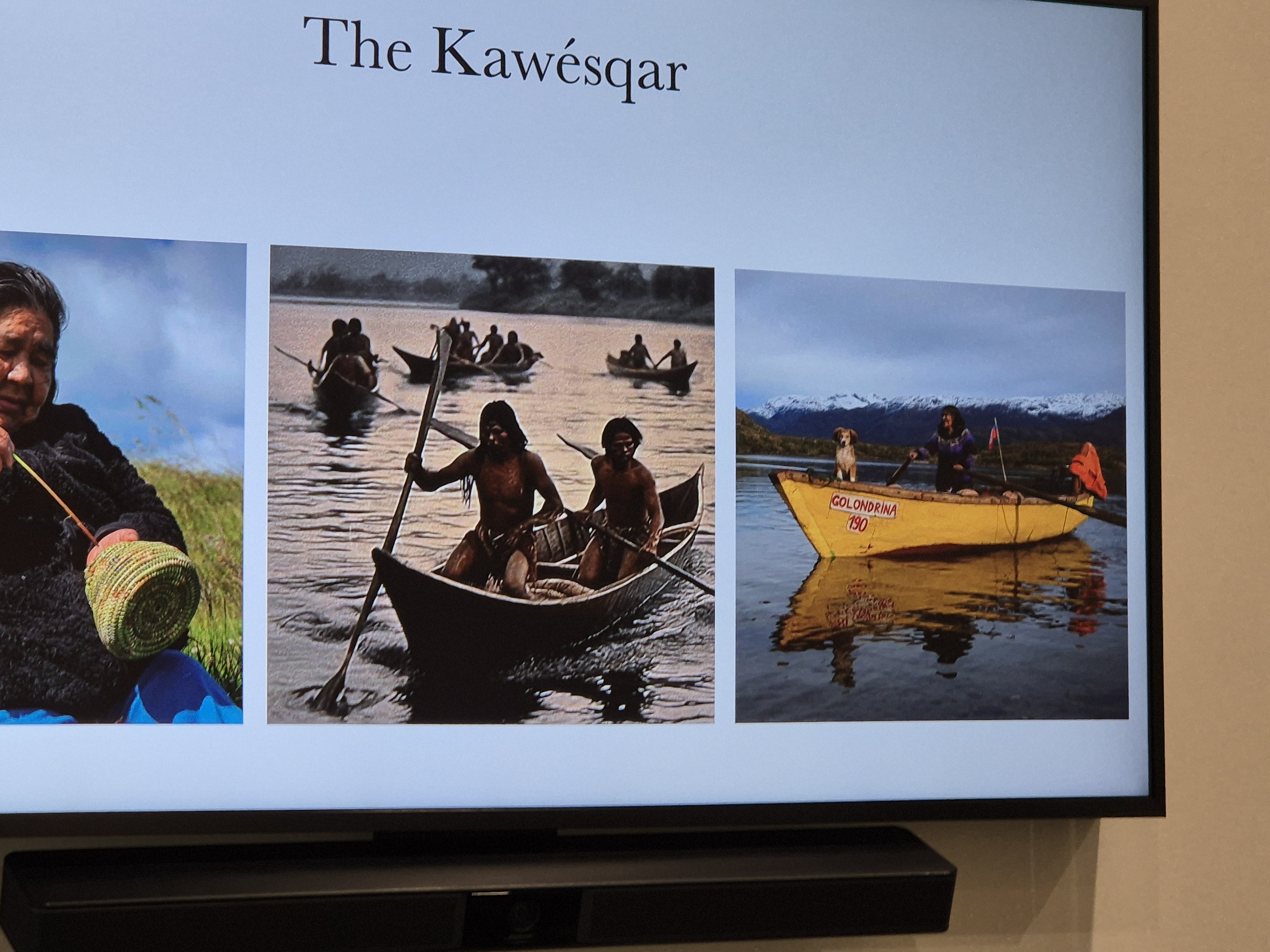
She also mentioned another research project in Patagonia focusing on the Kawésqar people. For thousands of years—possibly as long as 6,000—they lived primarily on boats, navigating the complex fjords and channels of southern Chile. This maritime lifestyle continued until the early twentieth century, and today the Kawésqar population numbers only around 500 people. Ilardo also spoke about future plans to study the Ama divers in Japan.
Her broader approach—studying communities around the world whose lifeways revolve around diving, fishing, and maritime subsistence through a genetic lens—is particularly fascinating. By investigating whether generations of specialized maritime lifestyles have left detectable imprints in human biology and DNA, her research opens up new perspectives on the relationship between culture, environment, and evolution. It will be exciting to follow where this comparative approach leads in the coming years.
José Joordens and the Engraved Shell
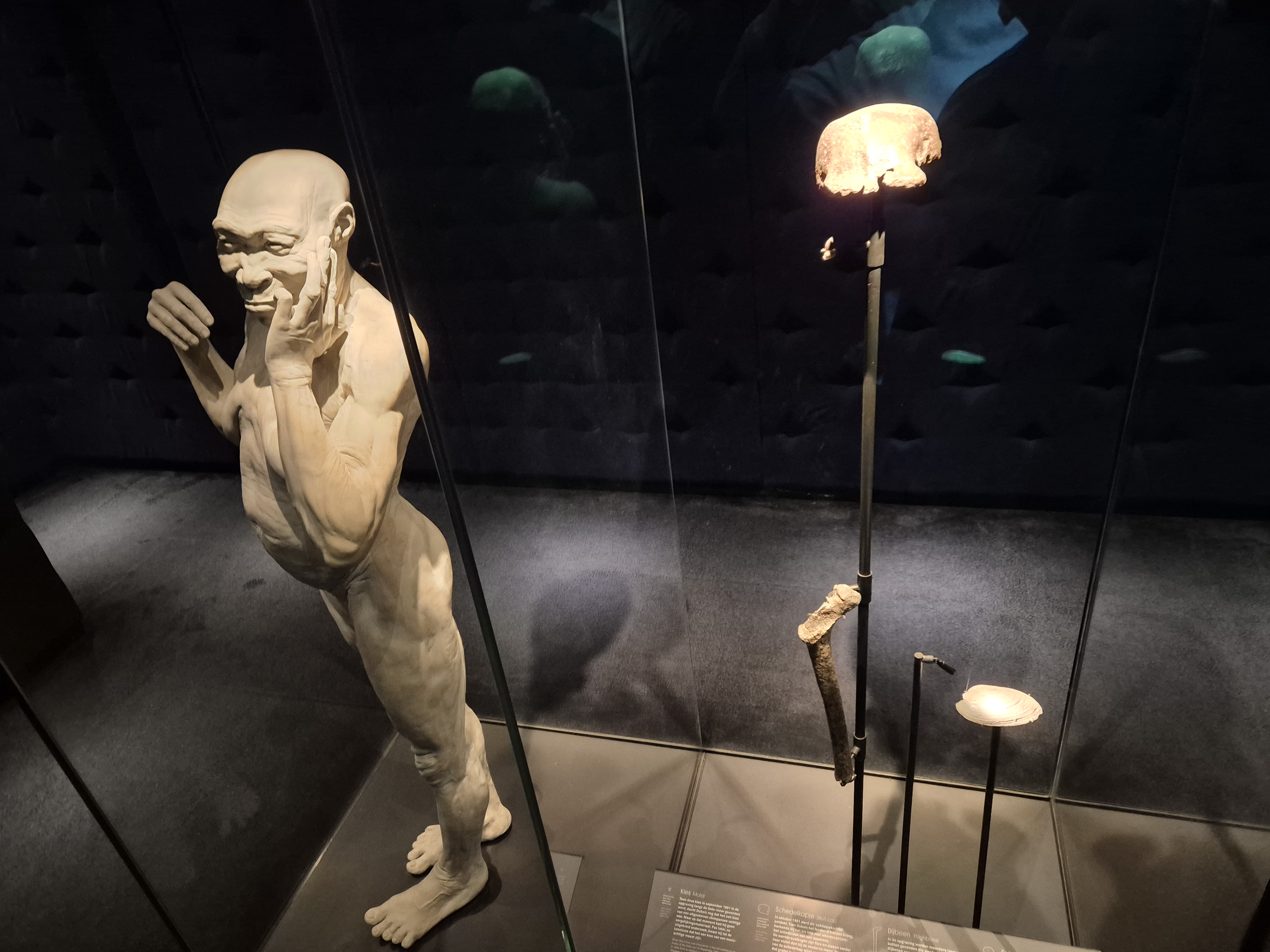
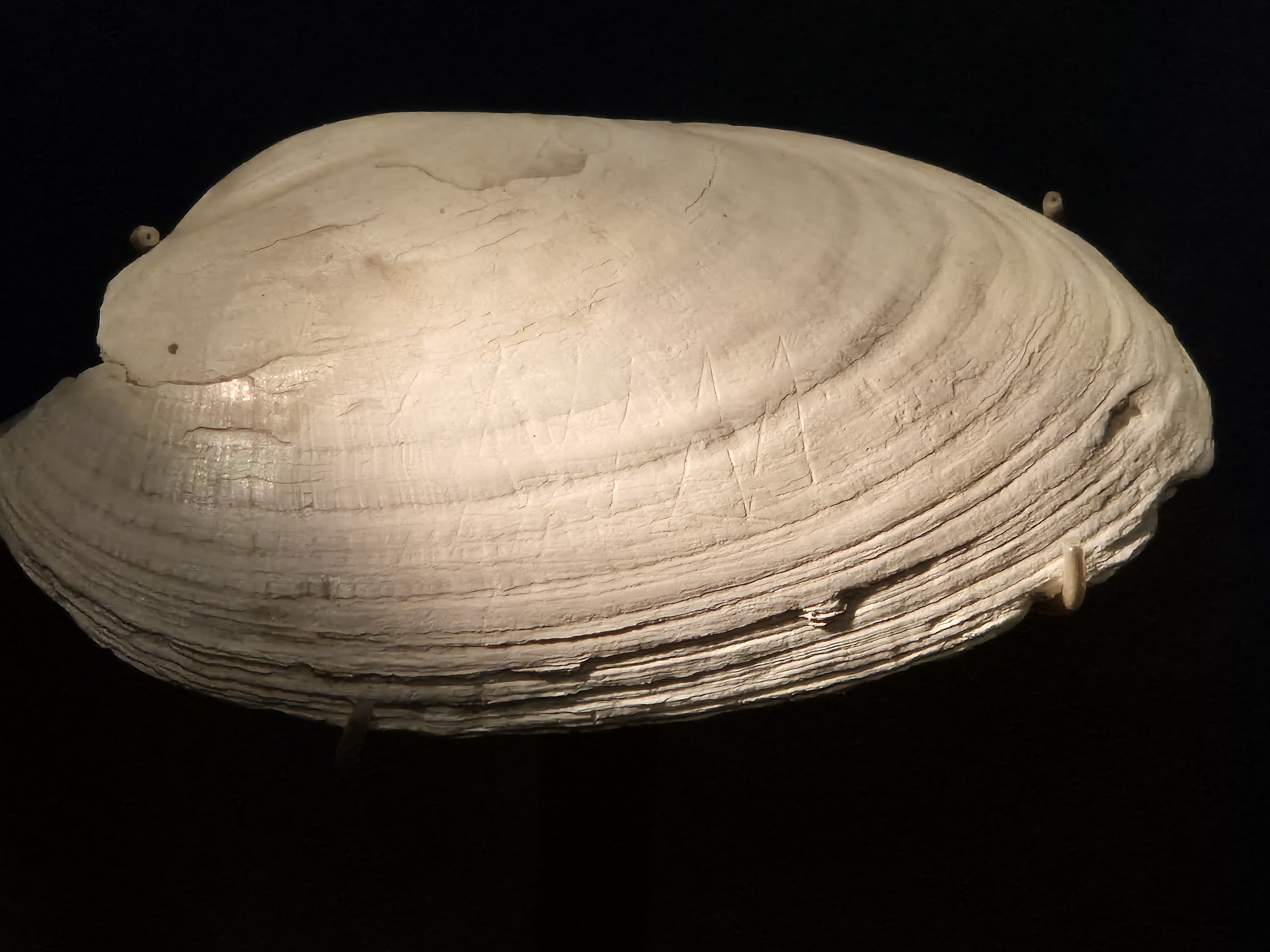
Among those attending the seminar was José Joordens, with whom I had traveled earlier in the spring during fieldwork in Indonesia. During my stay I also visited the Nautilus museum, where I had the chance to see the original engraved shell discovered by Eugène Dubois in the late nineteenth century and brought back from colonial Java. Seeing the artifact in person was quite special, especially given its importance as one of the earliest known examples of engraving associated with Homo erectus.
José Joordens has also worked actively on questions surrounding the repatriation of fossils and archaeological materials from Belgium back to Indonesia. These discussions highlight the complicated histories behind many museum collections and the growing importance of addressing colonial legacies within scientific research and archaeology.
A Stop in Aarhus
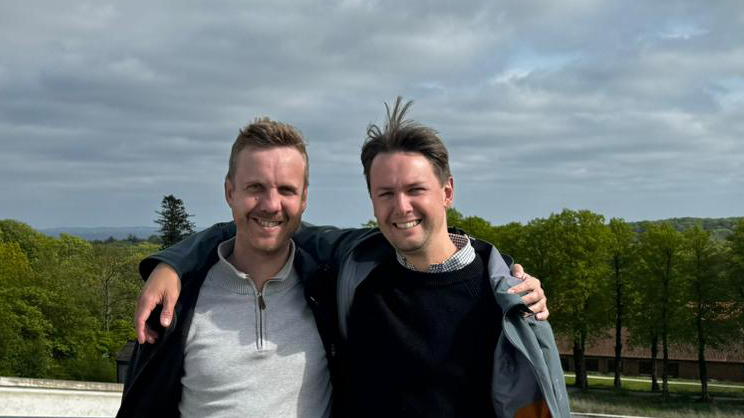
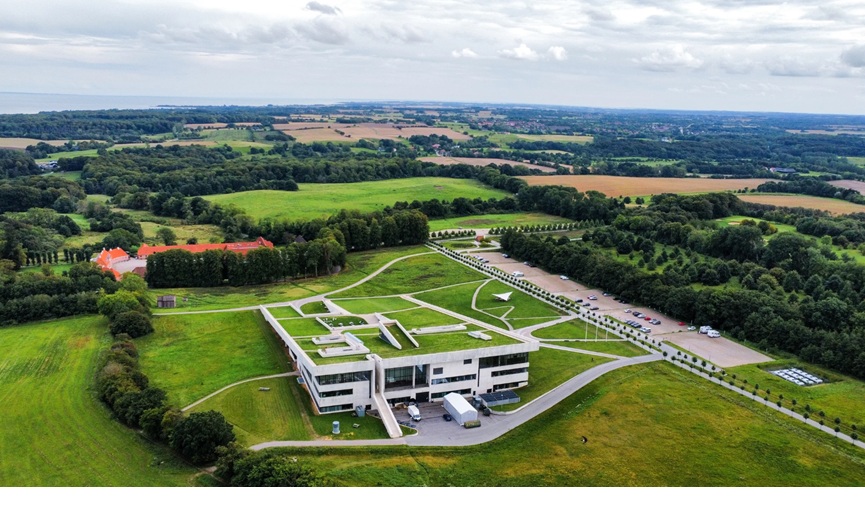
On my way back to Sweden, I also stopped by Aarhus University in Denmark, where I had the opportunity to meet the young anthropologist Frederik von L. Hjortshøj, who has been conducting long-term fieldwork in Wakatobi—especially in Sampela—as part of his master’s research. He showed me around both the university and Moesgaard Museum, and we had many interesting conversations about the Sama-Bajau as well as current debates within anthropology. It was a very enjoyable and inspiring visit.
What Maritime People can Teach Us
All in all, the trip turned out to be both inspiring and thought-provoking, combining stimulating conversations and exciting research presentations. What tied many of these experiences together was a shared interest in maritime peoples and the many ways humans have adapted to life at sea, whether through culture, technology, social organization, or biology.
What is particularly interesting about Melissa Ilardo’s work is that the adaptations observed among groups such as the Sama-Bajau or the haenyeo are not entirely new traits that suddenly emerged in these populations. Rather, they appear to be examples of characteristics that already existed within the broader human gene pool but became more common through generations of natural selection in communities whose livelihoods depended on diving, fishing, and life at sea. In other words, these populations provide a window into the remarkable biological flexibility that already exists within our species.
This raises broader questions about how many other examples of human adaptation remain to be discovered among Indigenous and traditional communities around the world. As researchers continue to investigate populations whose ways of life have been shaped by unique environments over long periods of time, we will likely gain new insights into the relationship between culture, biology, and evolution.
At the same time, these findings serve as a reminder that humanity’s connection to the sea runs deep. Many of the traits that make humans well suited to coastal and maritime environments have ancient origins. Our mammalian diving response, our capacity to store subcutaneous fat, our large brains—whose evolution may have been supported by access to DHA-rich marine foods—and our long history of exploiting marine resources all predate the emergence of the specialized adaptations observed among groups such as the Sama-Bajau and the haenyeo. What we see in these communities is therefore not the emergence of entirely new human capabilities, but rather the refinement and amplification of existing biological traits through natural selection in populations that have lived closely with the sea for generations.
Long before the emergence of modern states and industrial societies, coastal and maritime environments played a fundamental role in human history. The communities discussed during my visit—from the Sama-Bajau of Southeast Asia to the haenyeo of Jeju and the Kawésqar of Patagonia—offer important perspectives on what it means to live with, from, and alongside the sea. Studying them not only helps us understand human diversity but may also reveal something fundamental about our shared evolutionary heritage and the deep maritime roots of our species.


Thanks! 🙂 M Verhaegen, S Munro, K Bonne, F Mansfield, M Vaneechoutte 2026 Acad Biol 4,2 “A hypothesis of ape and human evolution based on comparative biology and plate tectonics” https://www.academia.edu/2837-4010/4/2/10.20935/AcadBiol8310
June 22, 2026 at 12:08 pm
Hi Erik, I sent you our latest article, but did not hear from you. All all right? Kind greetings Mario
Ape and human evolution based on comparative biology and tectonicshttps://www.academia.edu/2837-4010/4/2/10.20935/AcadBiol8310#podcast 2024. Australopithecines (including Lucy) are probably not our ancestors https://www.sciepublish.com/article/pii/94 and Reply to Sarmientohttps://www.sciepublish.com/article/pii/187 2024. The latest ancestor of African apes and humans came from Europe, not Africahttps://doi.org/10.24908/iee.2024.17.1.n 2014. The origin of articulate languagehttps://biblio.ugent.be/publication/6883780
July 13, 2026 at 11:55 am
Hi Mario,
Yes, I have read it, and I really found it very interesting. It’s also great to see that the article has received so many views in such a short time—it feels like a turning point. I certainly hope so.
I especially enjoyed reading both Mark’s and Francis Mansfield’s different scenarios for our hominoid ancestors. I will also write a blog post about your much appreciated and welcome article and publish it on my blog.
I’ll also get back to you by email with more detailed feedback on your text and your very interesting ideas about our deep evolutionary connection to water.
Kind regards,
Erik
July 23, 2026 at 10:42 pm