
Tracing Ancient Shorelines: Field Notes from Java on Early Human Evolution
In mid-February, I returned to Southeast Asia—this time to Indonesia—together with Professor Erika Schagatay. At the start of our trip, we met up with Professor José Joordens, a Dutch anthropologist and paleoanthropologist. With her, we visited several excavation sites where she has been working, as well as museums in central Java.
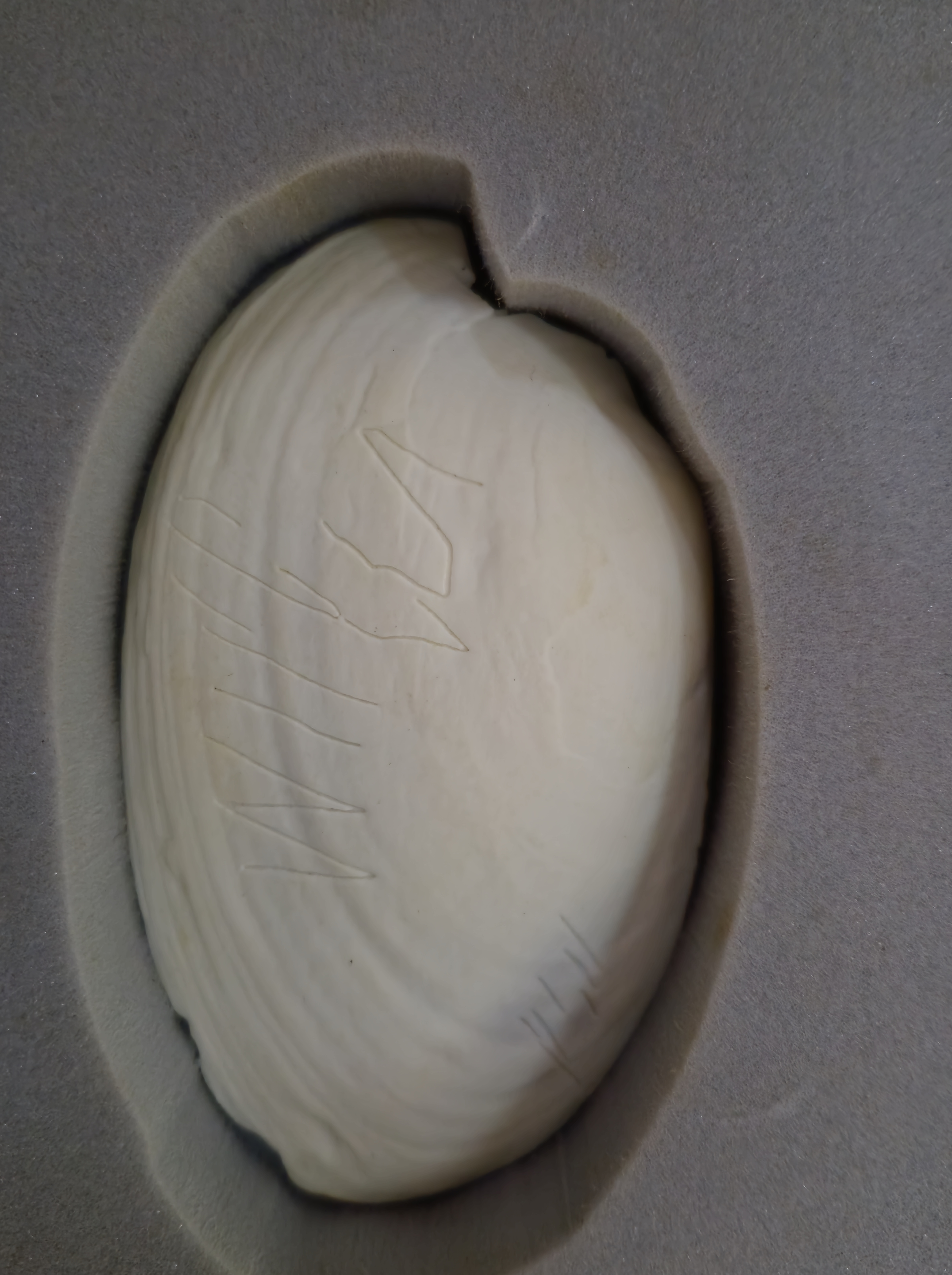
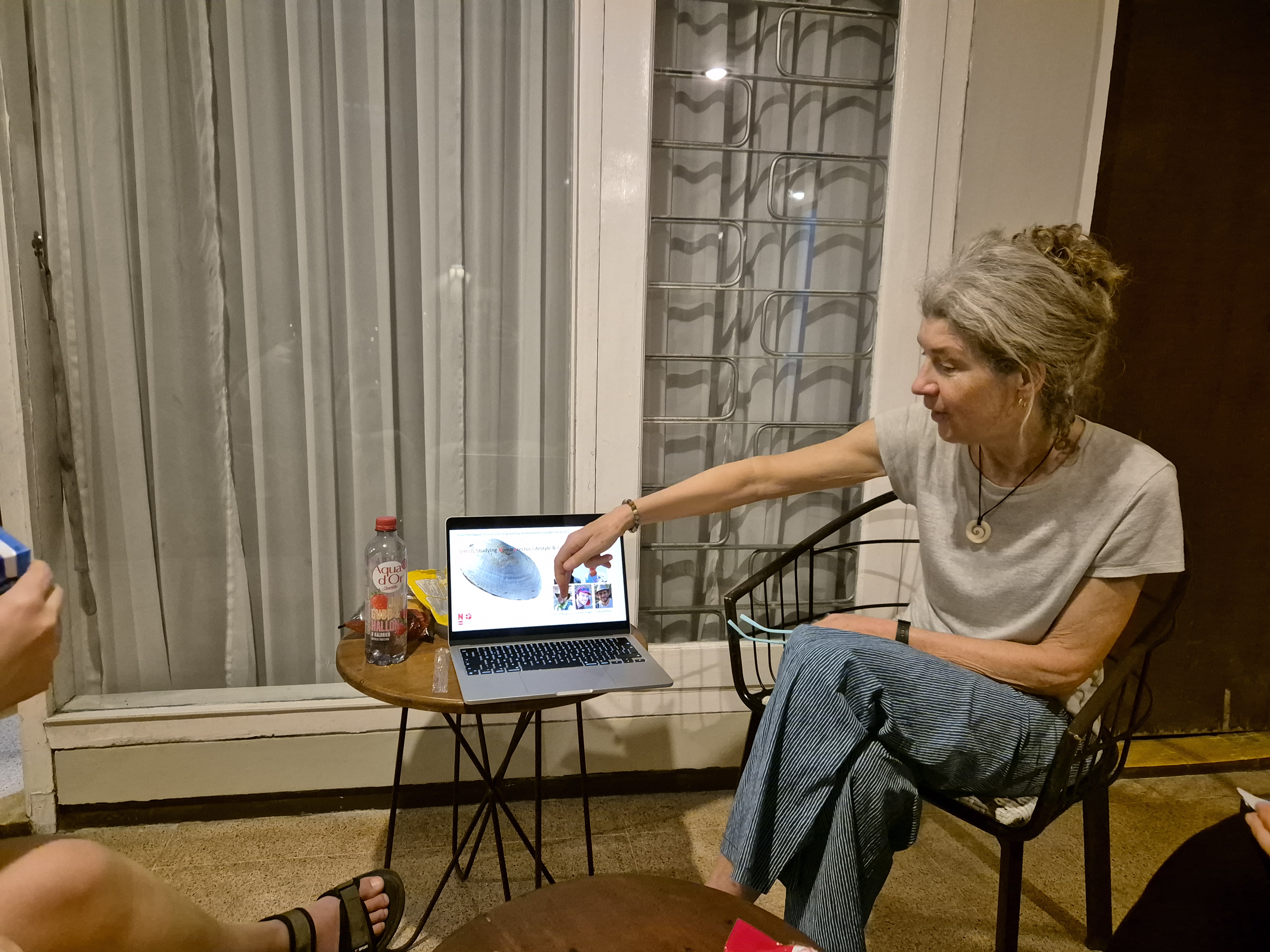
José Joordens became widely known for her work on the engraved freshwater Pseudodon shell from Trinil—a remarkable artifact originally collected by Eugène Dubois and his team in the 1890s and later kept in Dutch museums.
The zig-zag engraving on one of these shells went unnoticed for more than a century. It was in fact paleoanthropologist Stephen Munro who recognized the engraving already in 2007, while examining photographs he had taken of the shell collection in Naturalis Biodiversity Center. The finding was later formally described in 2014. The carving has been dated to between approximately 430,000 and 540,000 years ago, making it the oldest known example of an abstract or symbolic marking created by any human.
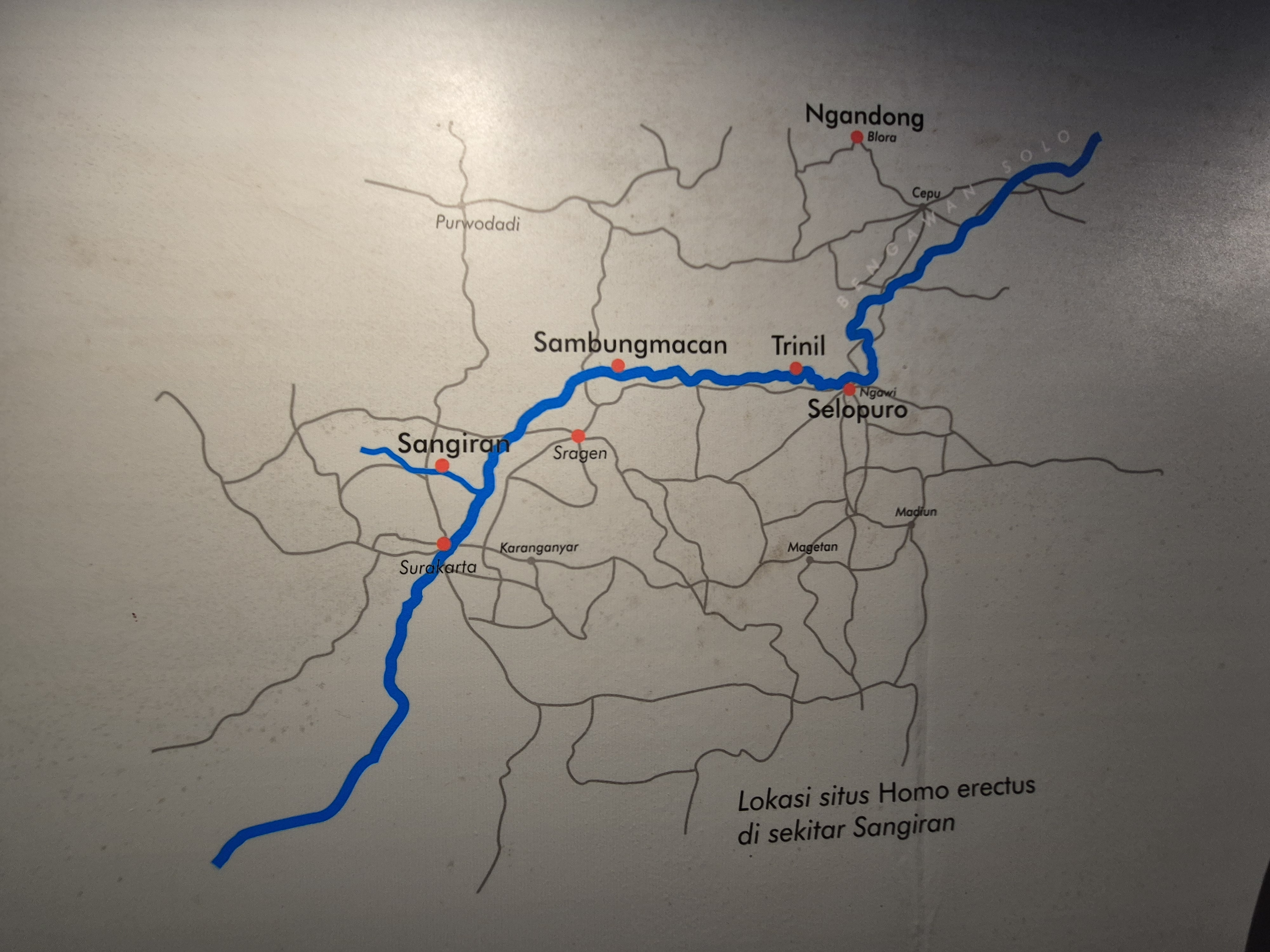
Along the Solo River and the World of Homo erectus
The Solo River basin is one of the richest regions in the world for Homo erectus discoveries. Groups of H. erectus lived along this river system from roughly 2 million years ago until as recently as 100,000 years ago, including the well-known Ngandong population—among the latest surviving Homo erectus known.
During our trip, Erika and José also met with numerous local researchers as part of early planning for a future interdisciplinary project on the Bajau Laut (Sama-Bajau) communities. The project aims to explore diving adaptations from physiological, anthropological, and cultural perspectives.
José has a long-standing interest in the waterside hypothesis and suggests that Homo erectus may have been shallow-water divers and foragers. The argument is supported by evidence such as thick cortical bones, a relatively dense skeleton, breath-hold capacity, and repeated associations with shell-bearing or riverine sites. The Trinil shell assemblage is central here, and it has also shown that shells were used as tools. In addition, José has excavated in Kenya’s Turkana Basin—another key region for early hominin interactions with aquatic environments.
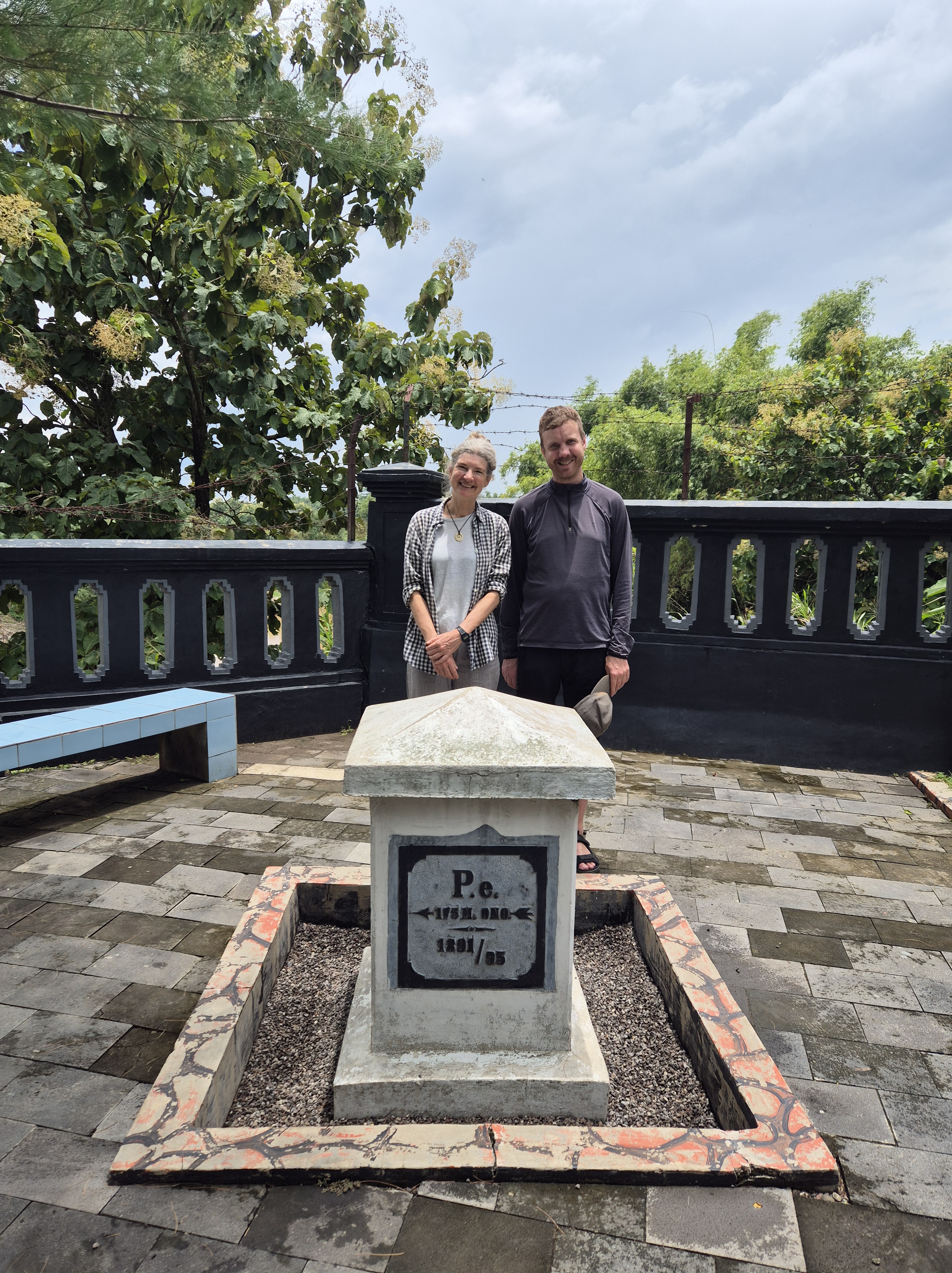
Visiting Trinil: Dubois’s Historic Site
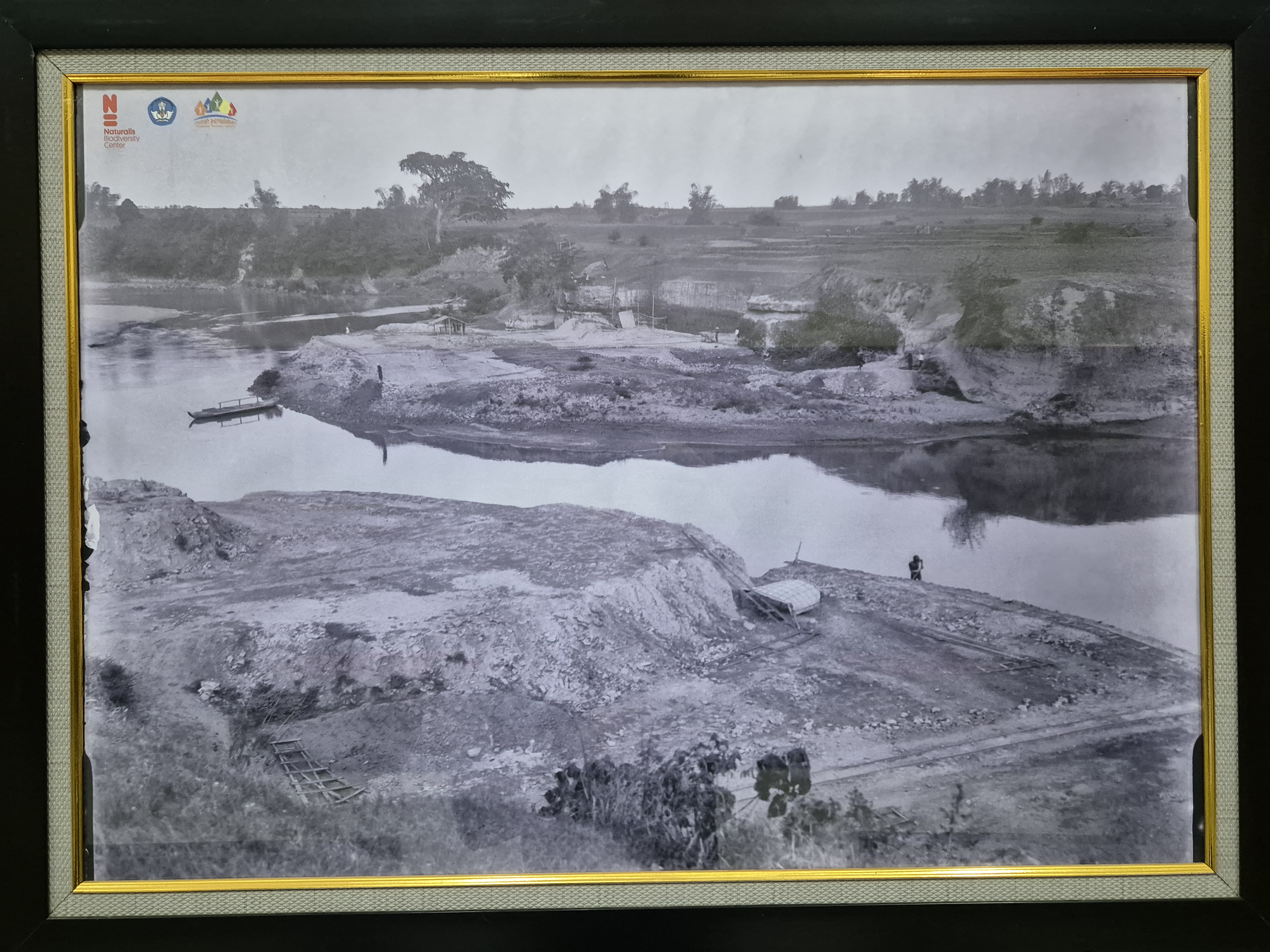
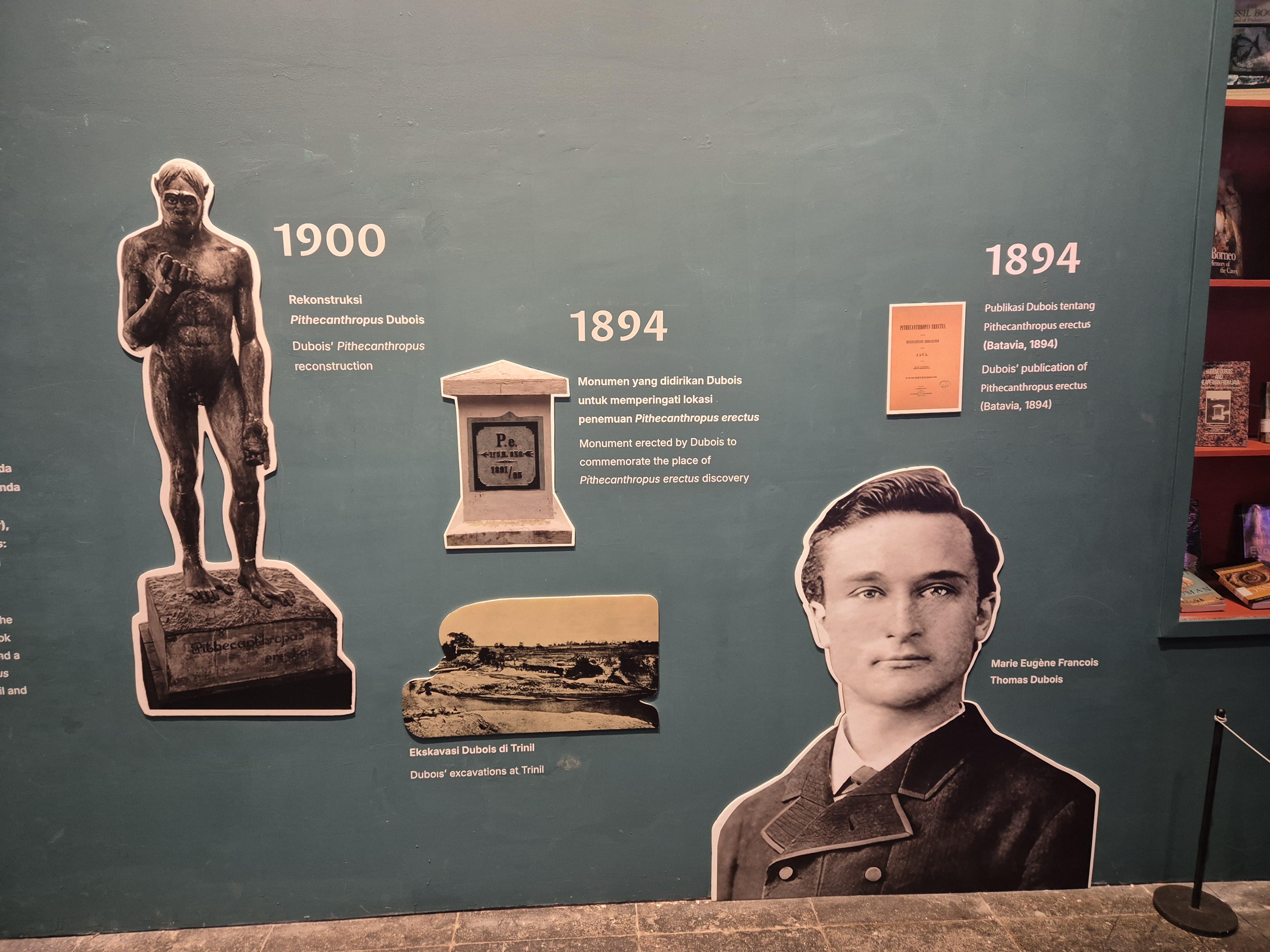
One of the highlights of our journey was visiting Trinil, where Eugène Dubois uncovered the first Homo erectus fossils—his famous “Java Man.” It was also here that the engraved shell was found. Local people still consider the site haunted, and many avoid being there at night. During Dubois’s excavations, prisoners were used as laborers, and a number of them died during the work, reportedly chained together and forced to excavate under horrific conditions.
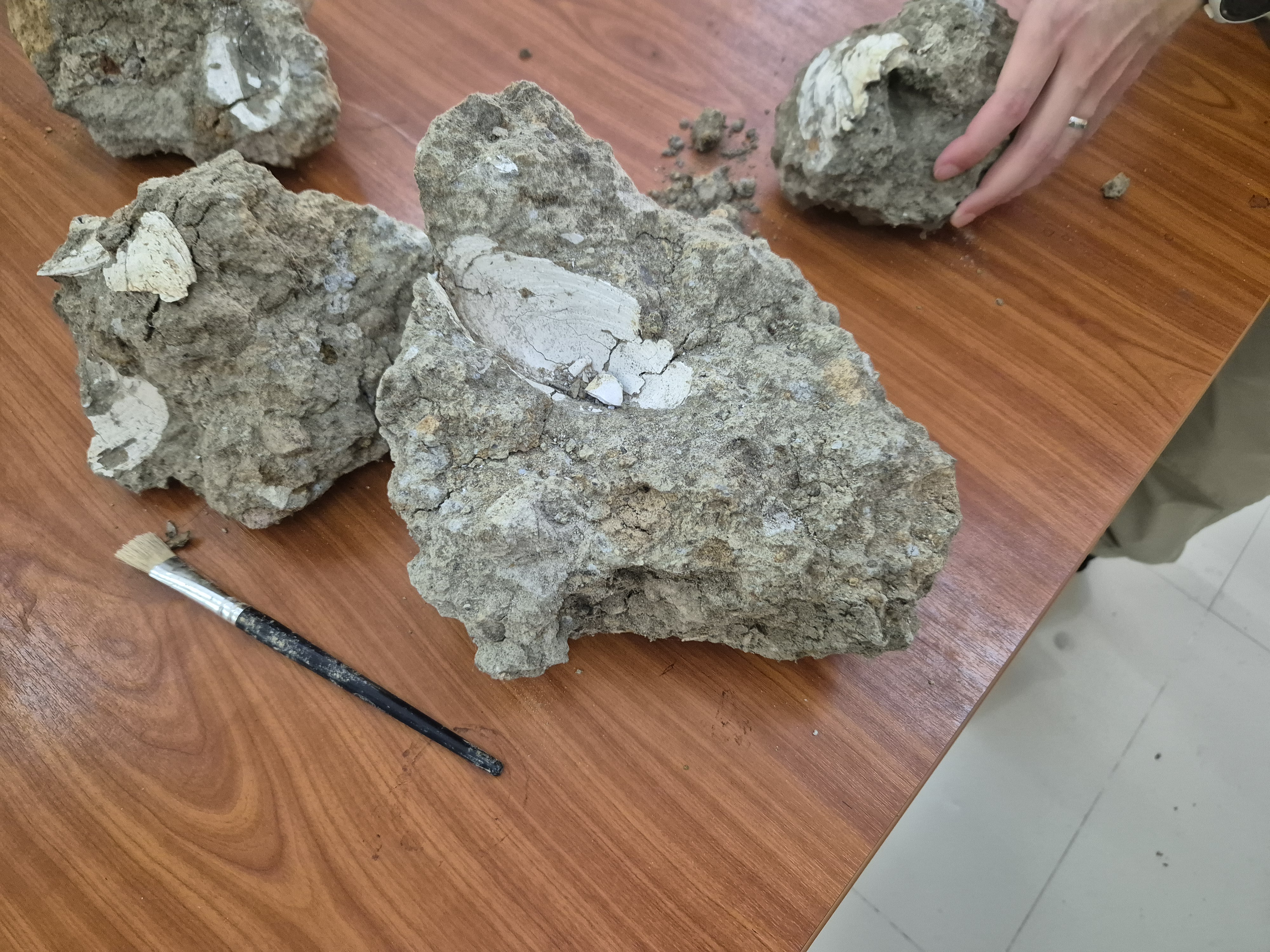
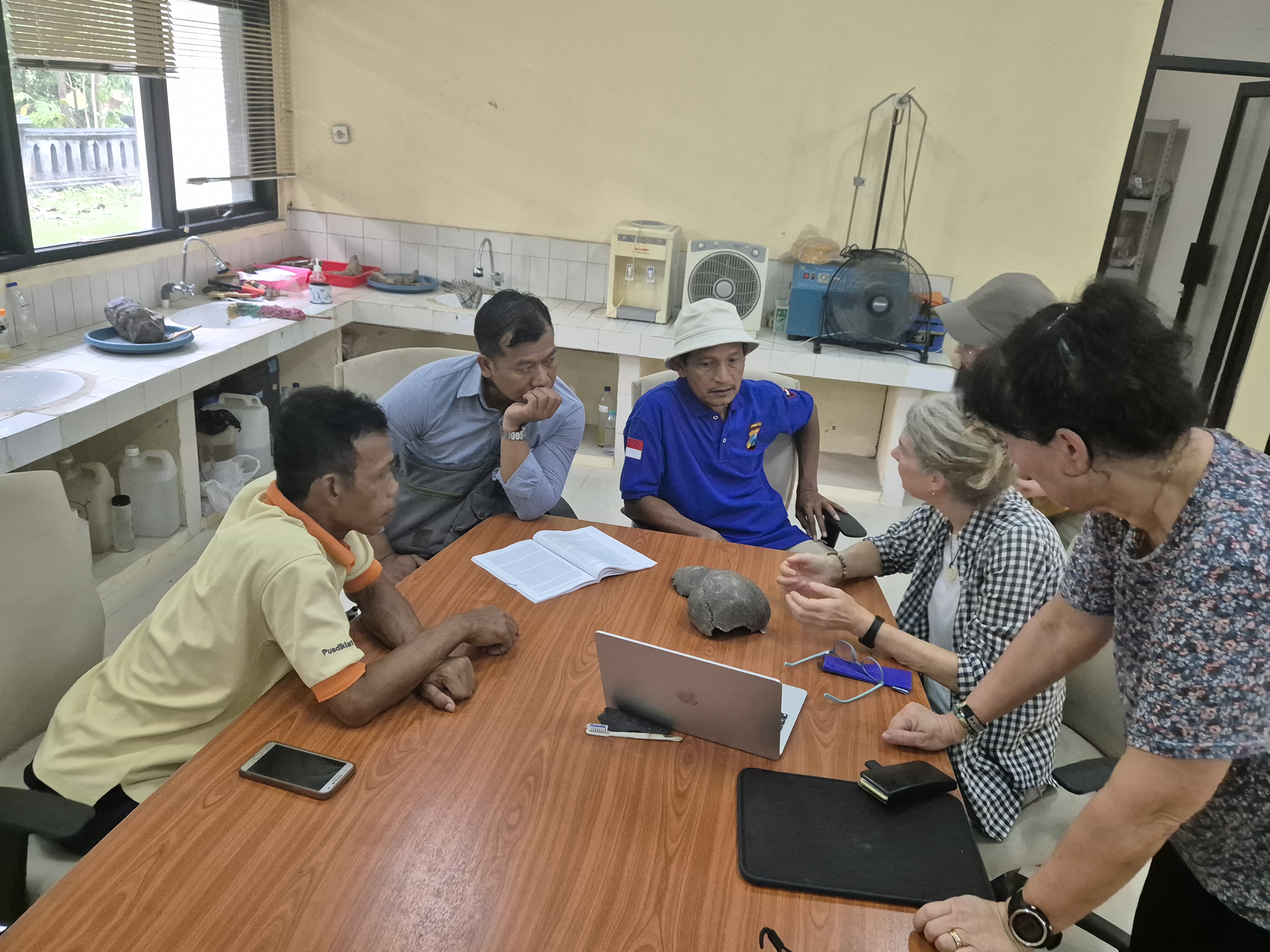
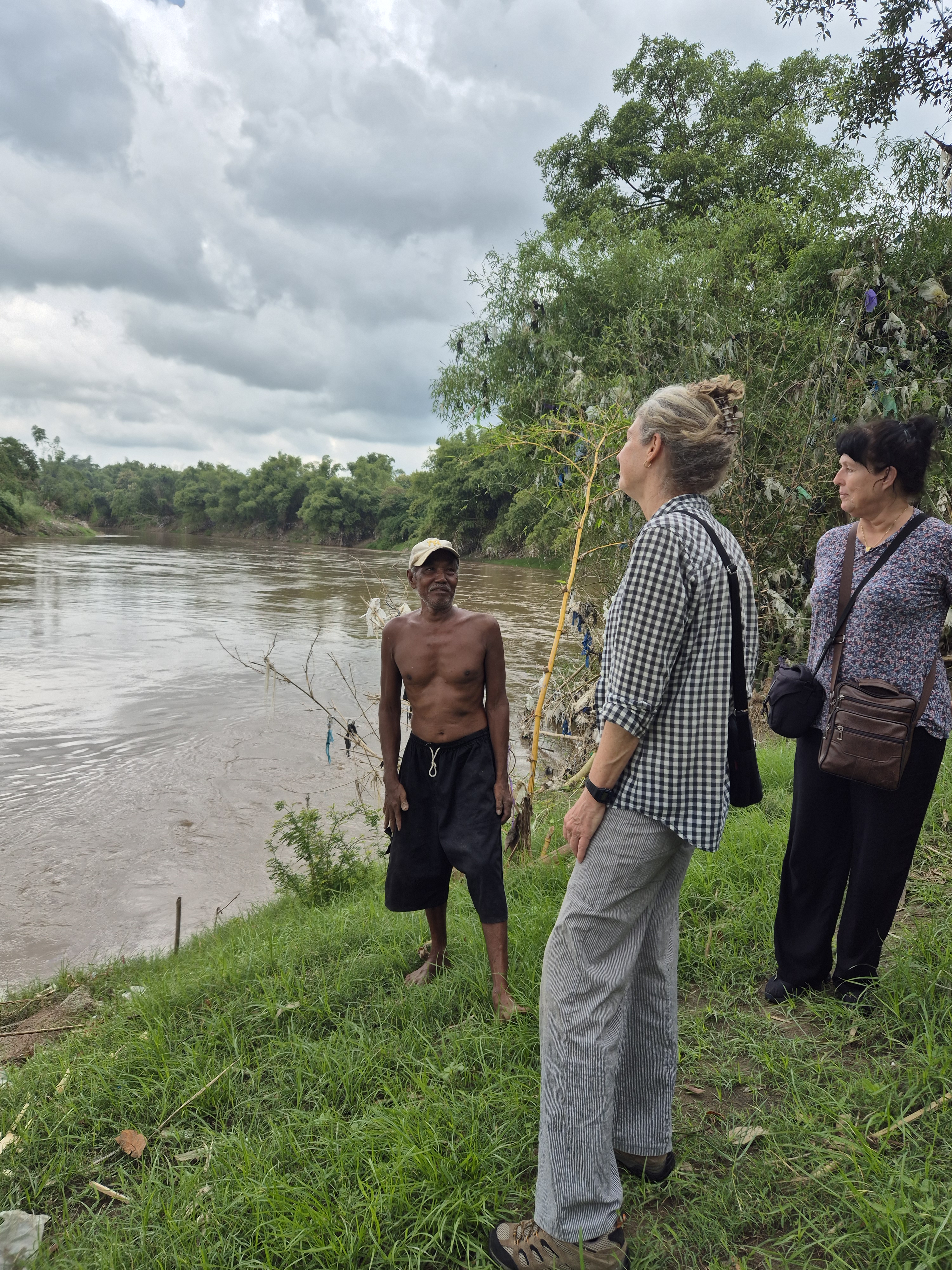
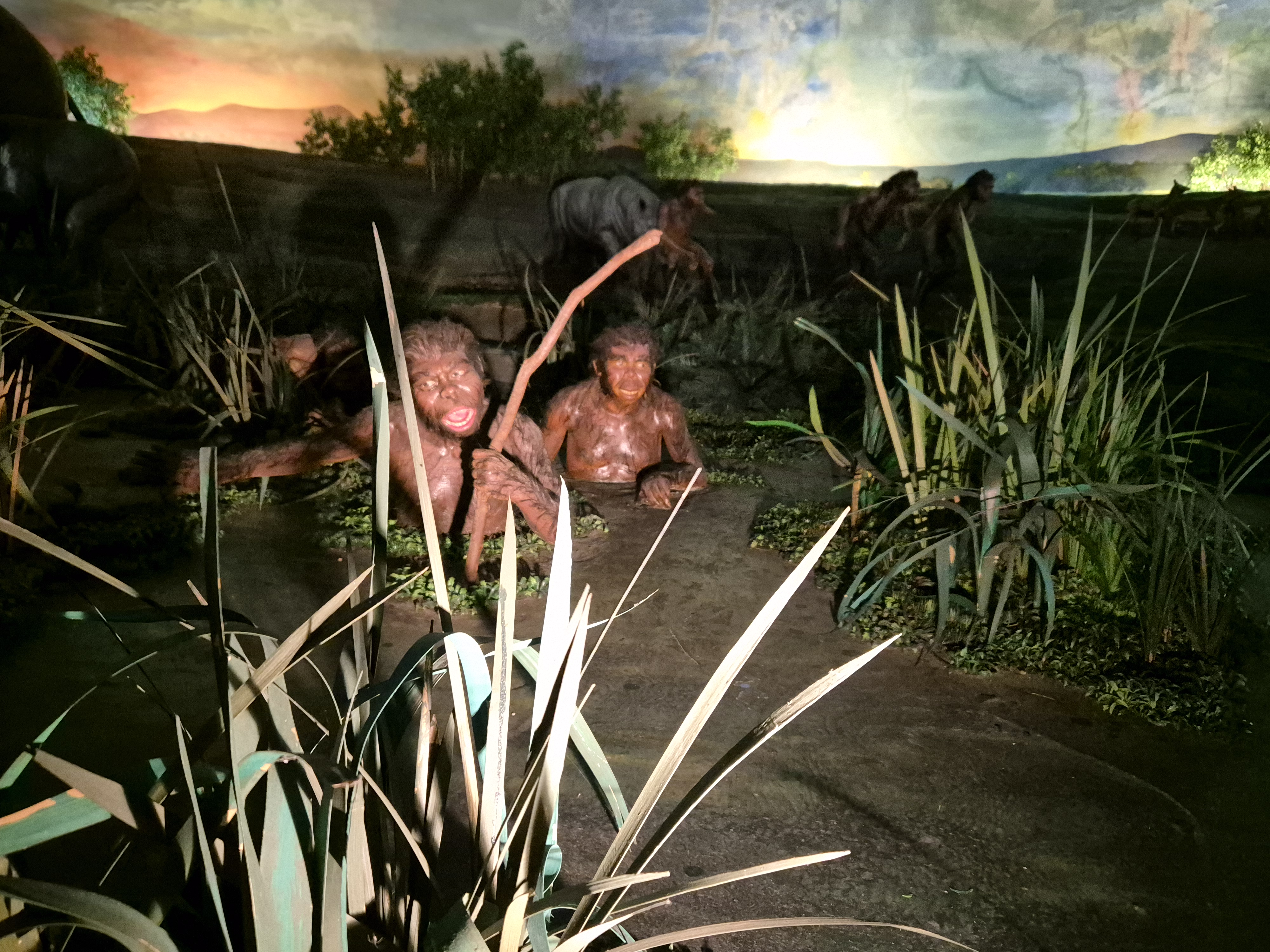
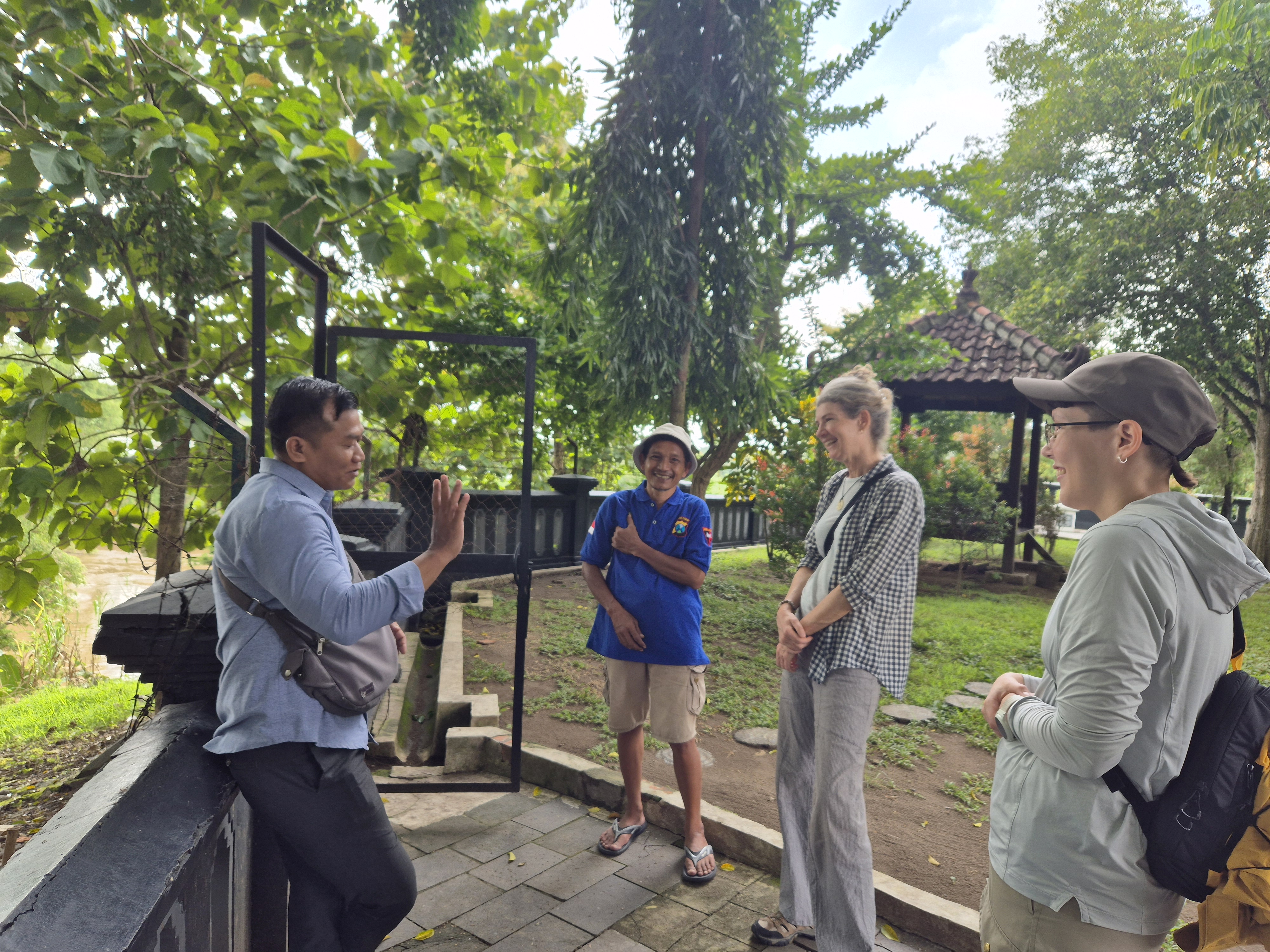
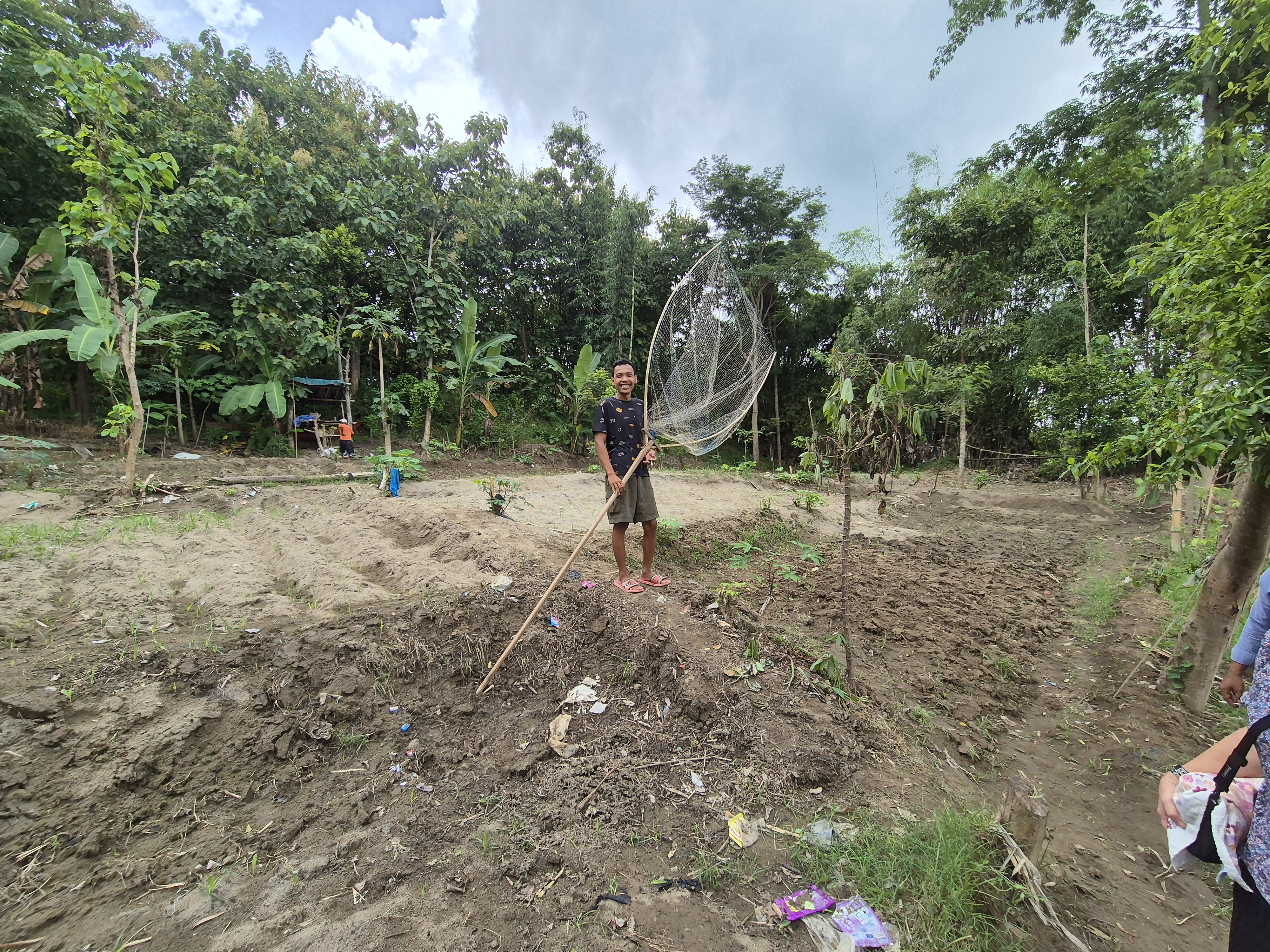
We met long-time collaborators of José who have worked at Trinil for years. We also had access to a back room where numerous remnants, casts, and planning materials are kept, including a copy of the engraved Pseudodon shell. In the surrounding area, we also explored exhibitions and museums that highlight the life and environment of Homo erectus. Standing by the Solo River—where the earliest discoveries of Java Man were made, alongside men fishing with large handheld nets—brought a quiet sense of continuity between past and present.
A Waterside Landscape Two Million Years Ago
Java was a very different place two million years ago. The region was shaped by extensive river systems, lakes, wetlands, and coastal environments, and supported a wide range of mammals adapted to aquatic or semi-aquatic niches—such as hippos, elephants, and other water-associated species. Humans were part of this landscape, and this is also the region where Homo erectus appears to have persisted the longest.
Fossils attributed to Homo erectus appear in Africa at around two million years ago, including recent finds from sites such as Drimolen in South Africa, while the well-known Dmanisi material in Georgia dates to around 1.8 million years ago. In Southeast Asia, the Java record begins around 1.8 million years ago and continues until approximately 100,000 years ago.
Over this immense timespan, H. erectus brains increased in size—a gradual but significant development that may reflect changing environments and a long-term reliance on nutrient-rich aquatic and waterside resources.
In other parts of the world, Homo erectus either evolved into other lineages (for example through Homo heidelbergensis, often discussed as a common ancestor of Homo sapiens, Neanderthals, and Denisovans) or went extinct. Yet on isolated islands in Southeast Asia—such as Flores, Luzon, and Sulawesi—human species appear to have persisted much longer.
Water, Diving, and Human Evolution
Homo erectus had characteristically thick bones and may have been skilled divers. According to some researchers—especially Marc Verhaegen—the species’ history of breath-hold diving shaped both biology and behavior. Verhaegen argues that:
- Homo erectus frequently exploited coastal, riverine, and lake environments.
- Breath-hold diving may have been used to collect shellfish, aquatic plants, and other high-value foods.
- Their relatively heavy and dense skeleton may have functioned as natural ballast during shallow diving.
- In addition to diving, Homo erectus may often have floated on the back while foraging at the surface—somewhat comparable to modern sea otters—allowing extended time in the water with minimal energy expenditure.
- Long-term reliance on aquatic resources could have influenced brain growth and broader physiology.
- Cranial features such as paranasal air sinuses have been discussed in relation to pressure regulation and repeated submersion, though interpretations remain debated.
- Other traits sometimes highlighted include the ability to suck shellfish from shells and hypersensitive fingertips, well suited for detecting hidden prey while foraging underwater.
Homo sapiens later continued to exploit marine foods, which is significant given our need for DHA fatty acids to support a large brain. Although our species eventually became less dependent on diving, technological development likely allowed us to harvest aquatic resources in new and more efficient ways. Coastal foraging probably remained crucial even as our bodies became lighter and more specialized for long-distance walking and endurance running.
Average brain size in the human lineage increased steadily until roughly 300,000–200,000 years ago, after which it appears to have plateaued. A gradual reduction in average brain size becomes visible later, beginning around 50,000 years ago and continuing into more recent prehistory.
Given the high energetic demands of large brains, it seems likely that nutrient-rich foods centered on marine and aquatic resources played an important role during the period of brain expansion. The later reduction in brain size may reflect a gradual decrease in reliance on these resources as humans increasingly diversified their diets and food sources. Many large-brained mammals are closely tied to aquatic food chains during their evolution, which helps explain why the relationship between water, diet, and brain evolution remains such an intriguing topic.
Interestingly, some of the museums we visited—such as the Sangiran Museum Site—explicitly embraced the idea that Homo erectus lived close to water and may represent the earliest island-adapted human. Seeing this interpretation presented so openly was refreshing.
Engraved Shells and Shared Human Cognition
The Trinil shell itself is fascinating. Its zig-zag pattern resembles markings found in other early human contexts, such as the cross-hatched engravings made by early Homo sapiens on pieces of red ochre at Blombos Cave in South Africa (dated to about 73,000 years ago), as well as early Neanderthal engravings, including the cross-hatched markings from Gorham’s Cave in Gibraltar (~39,000 years old).
These similarities raise intriguing possibilities about shared cognitive tendencies—suggesting that geometric pattern-making may reflect deep underlying structures of human and pre-human thought. It also points to a long period when abstract marks existed without figurative art, before a later shift within Homo sapiens—after our species had already been around for more than 200,000 years.
Final Reflections
Traveling with José was inspiring. She is one of the few paleoanthropologists who treats the waterside hypothesis with genuine scientific curiosity, and her background as a marine biologist adds depth to her perspectives.
It is also striking that the earliest known sign of abstract behavior—an intentional engraving—comes not from stone tools or cave walls, but from a freshwater shell, further highlighting the importance of waterside environments in our evolutionary history.


 The Aquatic Ape