
Trip to London: Unraveling the Crisis of Mental Health and Nutrition
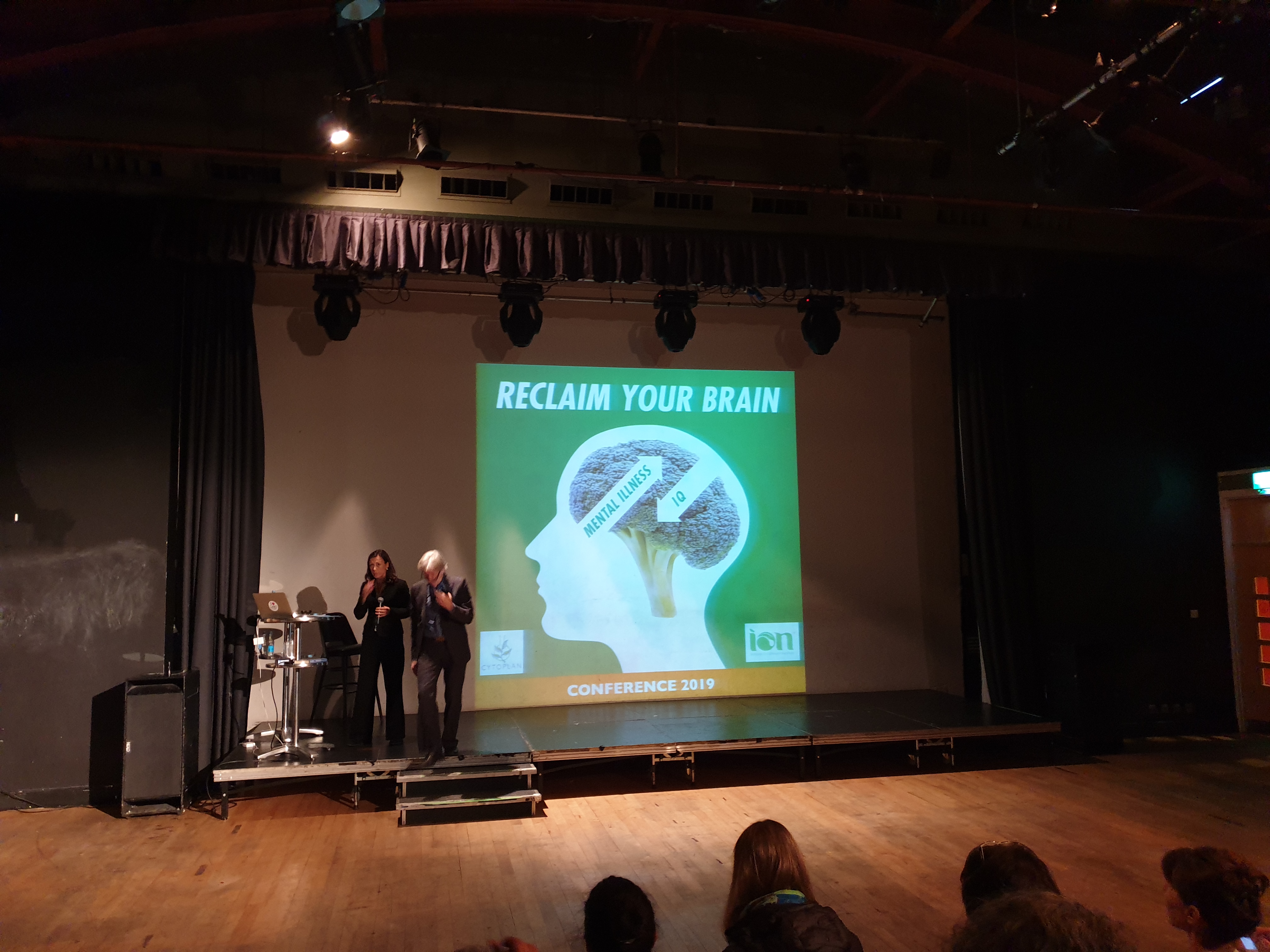
On May 8th, 2019, I had the privilege of attending a conference in London that brought together some of the brightest minds in brain health and nutrition. Hosted by the educational charity, Food for the Brain, the conference addressed a critical issue: the alarming rise in mental health disorders. This full-day event featured esteemed researchers such as Professor Michael Crawford, Professor Robert Lustig, Professor David Smith, and Patrick Holford, who shared their insights and proposed solutions to this growing crisis.
The statistics presented were sobering. In the UK, one in four people experience a mental health problem each year, and suicide has become the leading cause of death among young people. Recent studies show that young individuals today are more prone to depression and self-harm than they were a decade ago. These trends raise urgent questions about the factors in modern life that are contributing to this decline in mental health and cognitive function.
The Evolutionary Perspective on Brain Health
Professor Michael Crawford, Director of the Institute of Brain Chemistry and Human Nutrition, was one of the keynote speakers. His pioneering work since the early 1970s has highlighted the critical role of nutrition in brain development and health. Crawford emphasized the evolutionary link between human brain growth and a diet rich in marine foods, which are high in omega-3 DHA, selenium, iodine, and B12—nutrients essential for optimal brain function but often lacking in modern diets. He warned that the Western diet, high in junk food, could be detrimental to our brains. He stressed the need to revert to nutrient-rich diets to prevent the “idiocracy” he predicted decades ago.
Crawford’s ideas also provide hard evidence for a semi-aquatic past in humans. He explained that the animal brain structure first evolved in water, originally built upon the marine food web. This evolutionary context is crucial as it explains why only mammals living in water, which continue to feed from the original brain source, have developed large brains. Our brains evolved on seafood nutrients, the decline of which is decimating mental health and intelligence. In fact, it is only mammals that returned to the ocean, such as the ancestors of whales, that have grown big brains since they again have access to the fatty acids that the brain structure originally fed on.
Crawford was already raising alarms about nutritional deficiencies and their potential consequences back in 1972. His predictions are now becoming a stark reality, as we witness the rising tide of mental health issues and cognitive decline. He also strongly emphasized this in the “Human Evolution – Past, Present and Future” conference in London 2013, which I have written about in a previous blog post.

A Path Forward
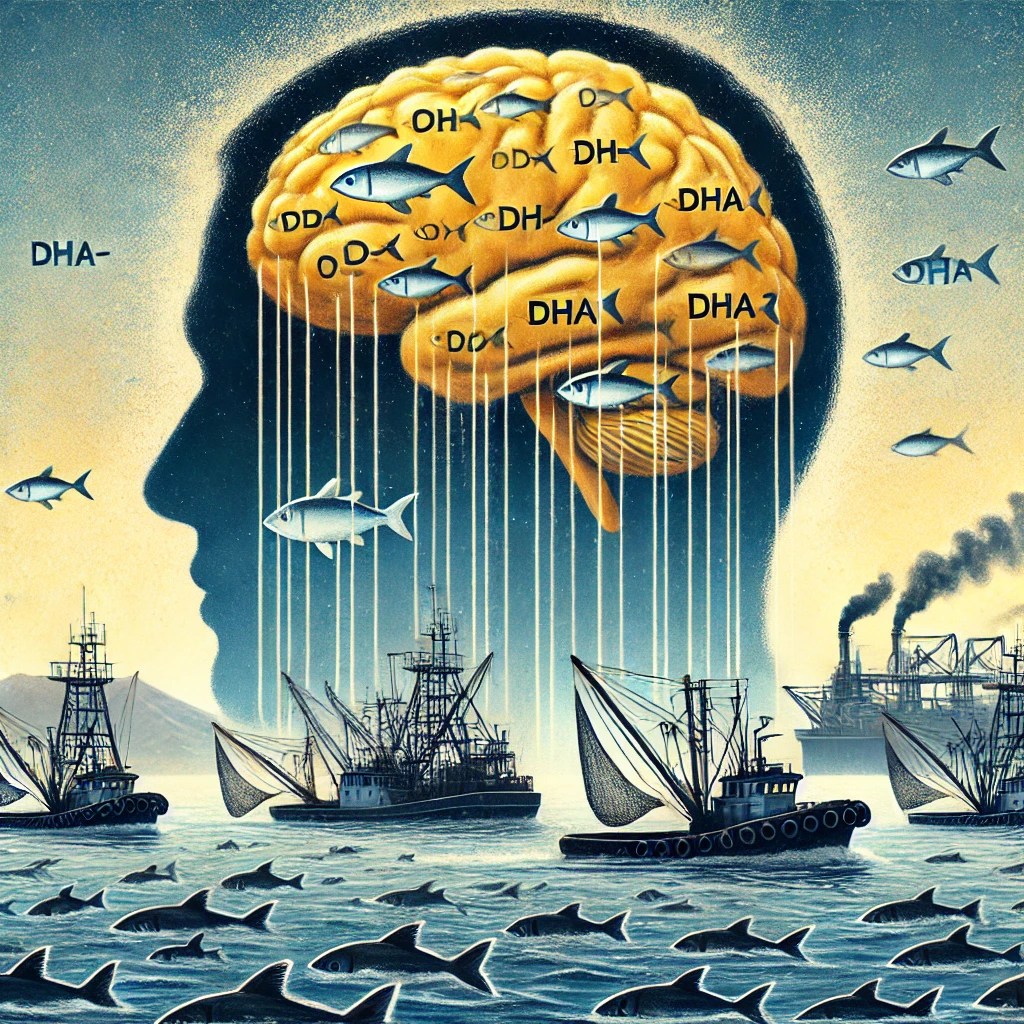
One of the most pressing issues highlighted by Professor Crawford was the decline in fish consumption and its drastic consequences for our species. He advocated for the promotion of aquaculture to ensure a sustainable supply of essential nutrients found in marine foods. This approach could play a crucial role in reversing the trends of mental health decline and cognitive deterioration.
The conference underscored the urgent need for a paradigm shift in our approach to nutrition and mental health. We must prioritize nutrient-rich diets, reduce our dependency on processed foods and digital distractions, and promote sustainable practices like aquaculture to safeguard our brain health and cognitive future.
The Dopamine Trap
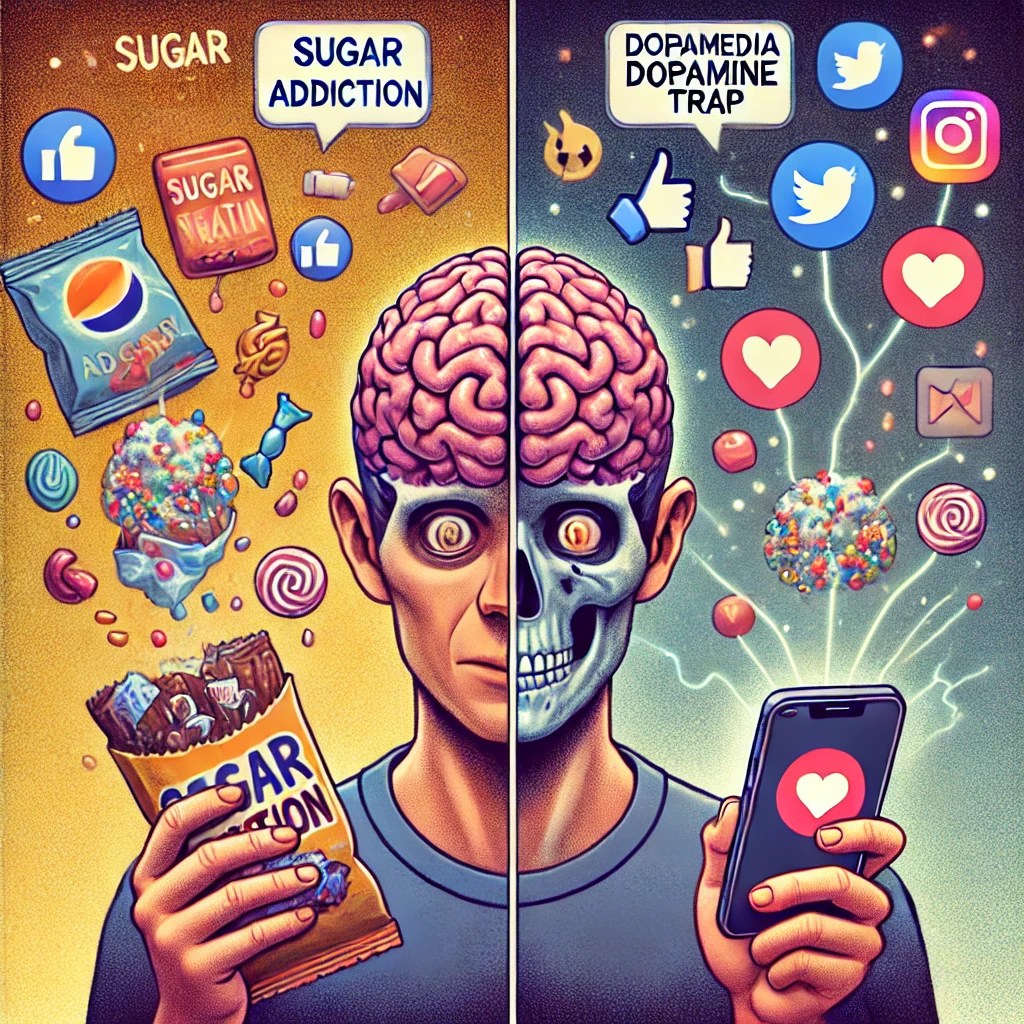
Professor Robert Lustig, known for his work on the harmful effects of sugar, provided a compelling explanation of how modern food and technology exploit our brain’s reward system. Lustig described how sugar and digital media overstimulate the dopamine pathways, leading to addiction, dependence, and ultimately, a lack of motivation and increased depression. He argued that processed food and technology companies have engineered this dependency, contributing to the mental health crisis. Lustig also underscored the adverse effects of sugar on the liver. Excess sugar consumption can lead to chronic low-grade inflammation. Unlike glucose, which is metabolized by every cell in the body, fructose is metabolized primarily in the liver. The liver processes fructose into fat, which can lead to fatty liver disease. This can cause chronic inflammation, which is linked to a variety of diseases, including heart disease, cancer, and Alzheimer’s disease. What we see here is a perfect storm, and we don’t yet fully understand the consequences.
A Personal Encounter
The day after the conference, I was invited to a meeting with Patrick Holford. During this session, Holford interviewed me about the nutritional habits of the Bajau Laut, known for their rich diet in marine nutrients, for a potential upcoming film project. Lustig was also invited to be interviewed for the screening. Witnessing the vibrant discussion between Lustig and Holford on food and supplements during lunch was a pleasure.
Attending this conference was an eye-opening experience, providing profound insights into the causes of our current mental health crisis and potential solutions. The knowledge shared by these experts is a call to action for all of us to rethink our dietary habits and prioritize brain health through proper nutrition. This conference was not just a gathering of experts but a clarion call for change that resonates deeply with the challenges of our modern world—sugar addiction, the social media dopamine trap, and declining fish stocks—these are existential issues for humanity.


 The Aquatic Ape